In the world of industrial automation and machine safety, proximity sensors are the silent sentinels. These non-contact devices detect the presence or absence of objects with remarkable accuracy, enabling countless processes from assembly line sequencing to robotic guidance. However, the critical component that often goes unnoticed, yet is fundamental to their reliable operation, is the humble housing. Proximity sensors housings are far more than just a shell; they are the first line of defense, ensuring the sophisticated electronics within can perform flawlessly in demanding environments.
The primary role of a sensor housing is protection. Industrial settings are rife with hazards that can cripple an unprotected sensor. Metal shavings, coolant fluids, dust, and chemical vapors are common threats. A robust housing, typically crafted from materials like nickel-plated brass, stainless steel, or engineered plastics like PBT, creates a hermetic seal. This seal safeguards the sensor's core—the oscillator, amplifier, and output circuit—from contamination and corrosion. Without this barrier, sensor performance would degrade rapidly, leading to false triggers, signal loss, and ultimately, system failure and costly downtime.
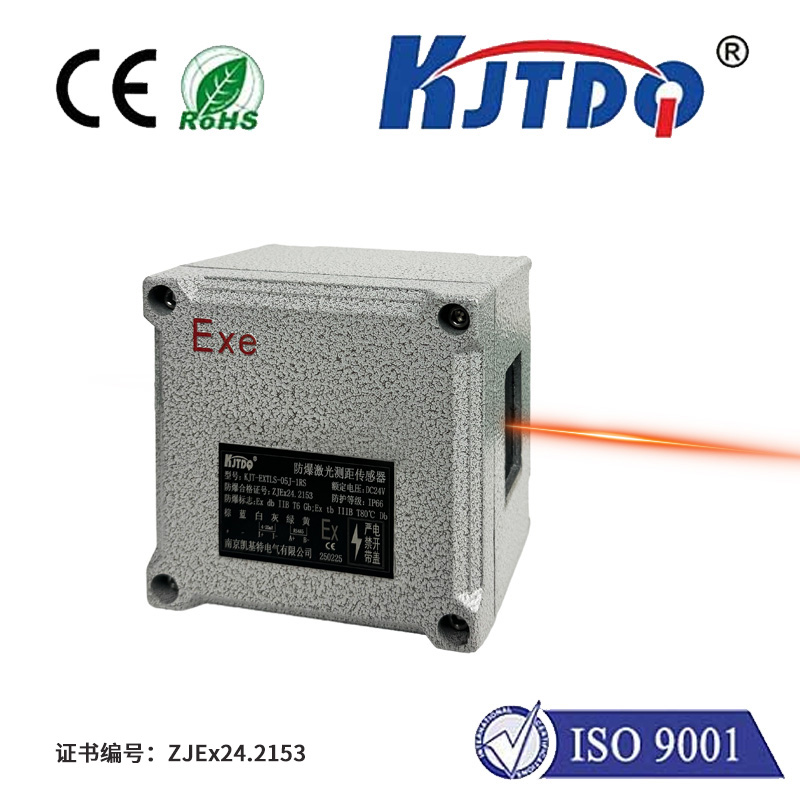
Beyond basic sealing, housings are engineered for specific physical challenges. High-pressure washdowns in food and beverage processing require housings with high IP (Ingress Protection) ratings, such as IP67 or IP69K, which guarantee resistance to powerful jets of water and steam. In applications involving heavy vibration or potential impact, such as on mobile machinery or stamping presses, the housing's structural integrity and mounting design are paramount. A well-designed housing absorbs and dissipates these forces, preventing internal component damage and maintaining precise sensing distance.
Material selection for proximity sensors housings is a science in itself. For general-purpose use in controlled environments, thermoplastics offer excellent cost-effectiveness and resistance to many chemicals. In more aggressive settings, such as metalworking or offshore applications, stainless steel housings provide superior resistance to corrosive agents and extreme temperatures. For applications requiring non-metallic sensing faces to avoid interfering with the sensor's electromagnetic field, such as in detecting non-ferrous metals, specialized PPS or PBT plastic housings are employed. The choice directly impacts the sensor's longevity and application suitability.
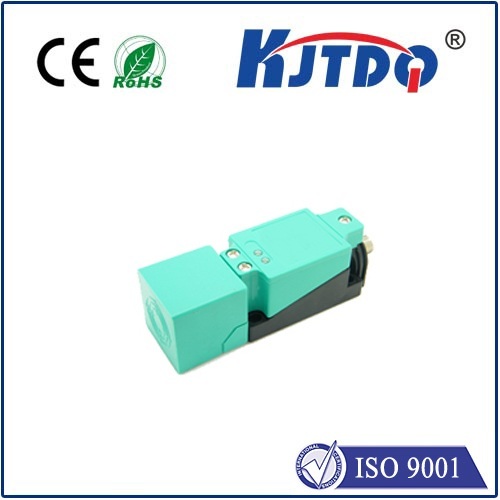
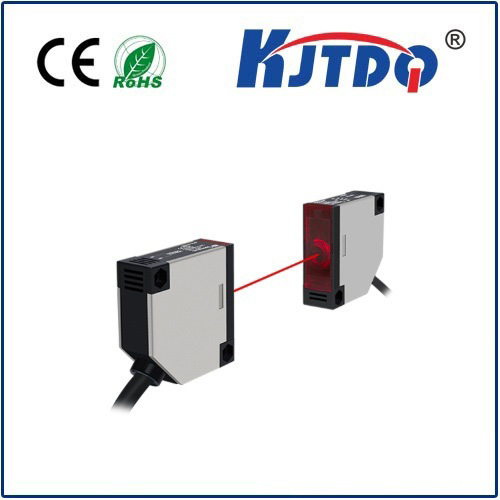
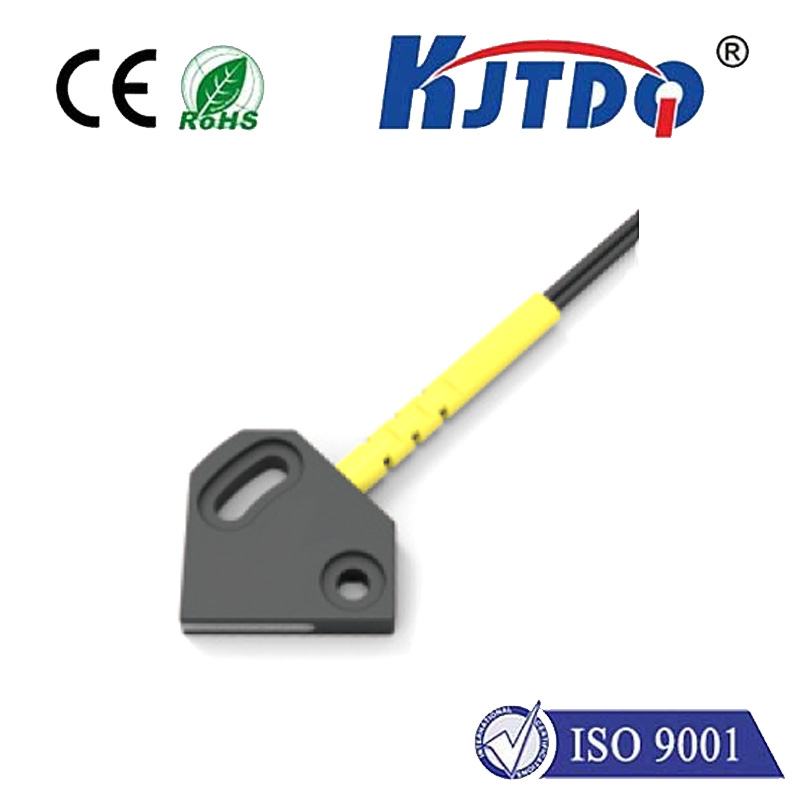
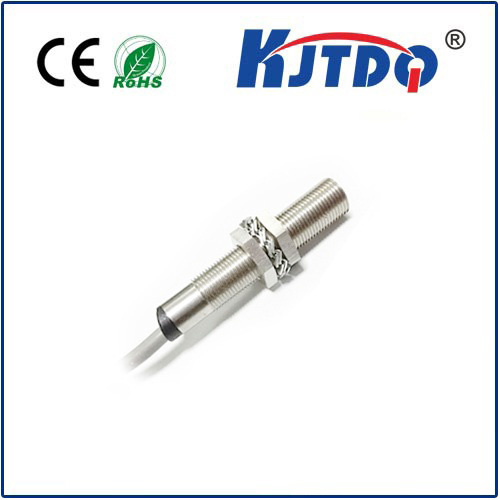
Furthermore, the housing design dictates the sensor's form factor and sensing face geometry. Cylindrical housings (e.g., M8, M12, M18, M30 threaded barrels) are ubiquitous for their easy installation and versatility. Rectangular or block-style housings might be chosen for space-constrained applications or where a larger sensing surface is needed. The shape and material of the sensing face itself are precisely calibrated to optimize the sensor's electromagnetic field, ensuring a consistent and reliable switching point. An improperly designed housing can distort this field, reducing the nominal sensing range and creating detection dead zones.
Installation and maintenance are also greatly influenced by the housing. Standardized threaded barrels allow for quick mounting in drilled holes with matching locknuts. Many housings feature LED indicators visible from multiple angles, providing immediate status feedback. Some advanced designs incorporate mounting flexibility, such as adjustable brackets or built-in slots, simplifying alignment—a critical factor for ensuring the sensor detects targets accurately. A durable housing also means the sensor can withstand routine maintenance, cleaning, and accidental bumps without compromise.
In essence, selecting the right proximity sensor is only half the battle. Specifying the correct housing is what guarantees its performance in the real world. It is the critical interface between the sensor's delicate internal technology and the harsh, unpredictable industrial environment. From protecting against coolant immersion in a CNC machine to withstanding sub-zero temperatures in a cold storage facility, the housing is the unsung hero that enables precision, reliability, and longevity. When integrating sensing solutions, engineers must give equal consideration to the housing's material, ingress protection rating, mechanical strength, and form factor. This holistic approach ensures the entire sensing system—core and casing—works in harmony to deliver uninterrupted operation, maximize productivity, and protect valuable capital equipment. The investment in a high-quality, appropriately specified proximity sensors housing is an investment in operational resilience and peace of mind.