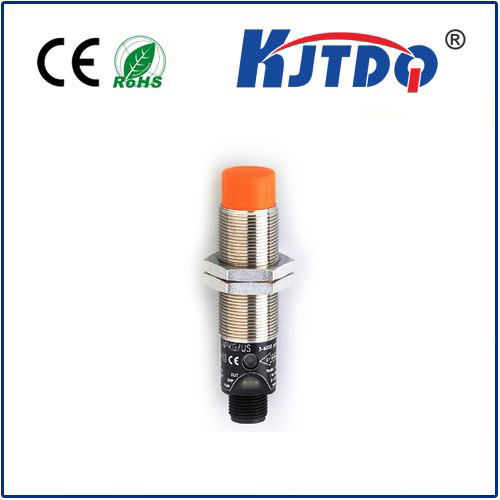
In the intricate world of industrial automation and machine design, every component plays a pivotal role in ensuring seamless operation, accuracy, and safety. Among these critical components, the flush proximity sensor mounting bracket often operates behind the scenes, yet its importance cannot be overstated. This specialized hardware is the unsung hero that guarantees the precise positioning and consistent performance of flush-mounted inductive or capacitive proximity sensors. Without a properly engineered mounting bracket, even the most advanced sensor can deliver unreliable readings, leading to machine downtime, production errors, and potential safety hazards.
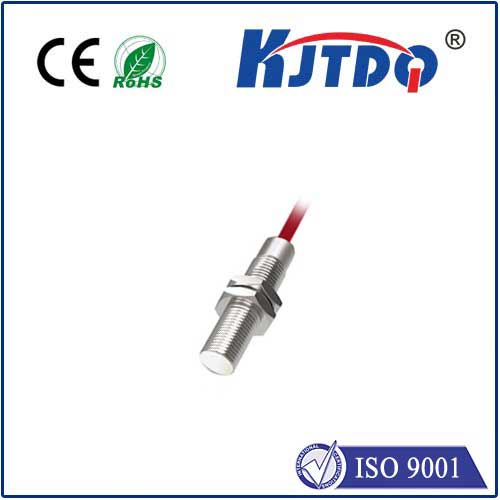
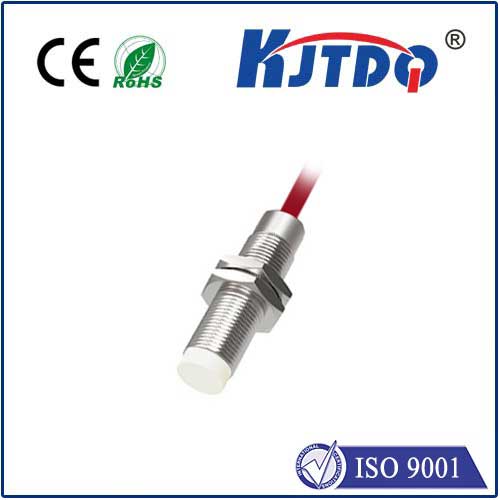
Flush proximity sensors are designed to be installed flush with the mounting surface, allowing them to detect objects without physical contact. This design is ideal for applications where space is constrained or where protecting the sensor from physical damage is paramount. However, this flush-mounting capability is entirely dependent on the bracket that holds it. The mounting bracket must provide a perfectly aligned, vibration-resistant, and secure housing. It ensures the sensor's sensing face is precisely positioned relative to the target area, maintaining the specified sensing distance and repeatability. A poorly designed or manufactured bracket can cause misalignment, leading to false triggers, missed detections, and inconsistent machine cycles.
The KJTDQ series of flush proximity sensor mounting brackets exemplifies the engineering precision required for modern industrial applications. Constructed from high-grade materials such as stainless steel or anodized aluminum, these brackets are built to withstand harsh industrial environments. They resist corrosion, mechanical stress, and temperature fluctuations. The design focuses on ease of installation, often featuring standardized hole patterns, precise threading, and clear tolerances that match industry-standard sensors. This compatibility reduces installation time and eliminates the need for custom machining or adapters, streamlining the assembly process for OEMs and maintenance teams alike.
When selecting a mounting bracket, several factors must be considered to ensure optimal sensor performance. Material compatibility is crucial; the bracket material should not interfere with the sensor's electromagnetic field. Mounting stability is another key concern; the bracket must firmly secure the sensor to prevent any movement caused by machine vibrations or incidental impacts. Environmental sealing is also important for applications exposed to dust, coolants, or washdowns. A high-quality bracket will often include integrated sealing grooves or gaskets to protect the sensor's housing. Furthermore, the bracket's design should facilitate easy access for wiring and maintenance without requiring complete disassembly.
In practical applications, from high-speed packaging lines and robotic assembly cells to CNC machining centers and automotive manufacturing, the correct flush proximity sensor mounting bracket is a cornerstone of reliability. It ensures that sensors accurately detect the presence of metal parts, control positioning sequences, monitor robotic end-effectors, and provide essential feedback for automated control systems. By guaranteeing precise and repeatable sensor placement, these brackets directly contribute to increased production efficiency, reduced waste, and enhanced overall equipment effectiveness (OEE).
Investing in high-quality, purpose-built mounting brackets like the KJTDQ series is not merely a purchase of hardware; it is an investment in system integrity and long-term operational stability. It eliminates a common point of failure, reduces maintenance intervals, and ensures that the sophisticated sensor technology performs as intended. For engineers and system integrators, specifying the correct mounting bracket is a fundamental step in designing robust, dependable, and high-performing automated systems. The humble bracket, therefore, transforms from a simple piece of metal into a critical enabler of precision, safety, and productivity in the automated factory.