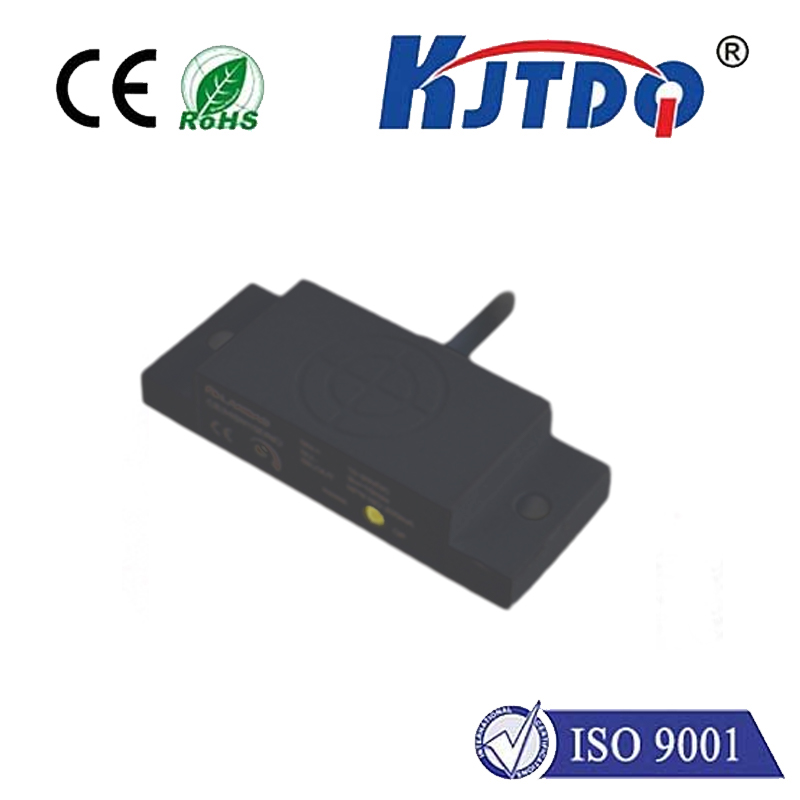
In the intricate world of industrial automation, where precision and reliability are non-negotiable, a silent sentinel operates tirelessly. The proximity inductive sensor, a cornerstone of modern control systems, performs its duty without physical contact, ensuring seamless operations from assembly lines to robotic arms. Unlike mechanical switches prone to wear and tear, this electronic marvel detects the presence of metallic objects through an electromagnetic field, offering unparalleled durability and consistency.
The fundamental principle behind an inductive proximity sensor is elegantly simple. It generates a high-frequency oscillating electromagnetic field from its active face. When a ferrous or non-ferrous metallic target enters this field, eddy currents are induced on the target's surface. This causes a change in the oscillation amplitude within the sensor's internal LC tank circuit. A dedicated evaluation circuit detects this dampening effect and triggers a solid-state switching signal. This entire process happens in microseconds, enabling real-time detection critical for high-speed automation.
The applications for these robust devices are vast and varied. In automotive manufacturing, they verify the correct positioning of engine blocks or count passing components on a conveyor with absolute precision. Within packaging machinery, they ensure products are correctly aligned for labeling and sealing. They are indispensable in metalworking CNC machines for tool positioning and in material handling for pallet detection. Their hermetically sealed, solid-state design makes them immune to environmental contaminants like dust, oil, and coolant splashes, allowing them to thrive in harsh industrial settings where other sensors would fail.
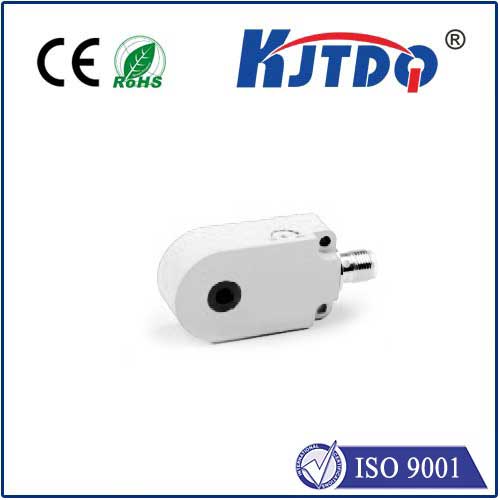
Selecting the right proximity inductive sensor involves several key technical considerations. The sensing distance, or nominal range, is specified for a standard target and is crucial for proper installation. Factors like target material, size, and shape can influence the effective sensing range. For instance, steel is detected at the rated distance, while stainless steel or aluminum may require a reduction factor. The sensor's housing material, typically nickel-plated brass, stainless steel, or PBT plastic, must be chosen based on the chemical and physical demands of the application. Output configuration—whether NPN (sinking) or PNP (sourcing)—must match the control system's input card requirements.
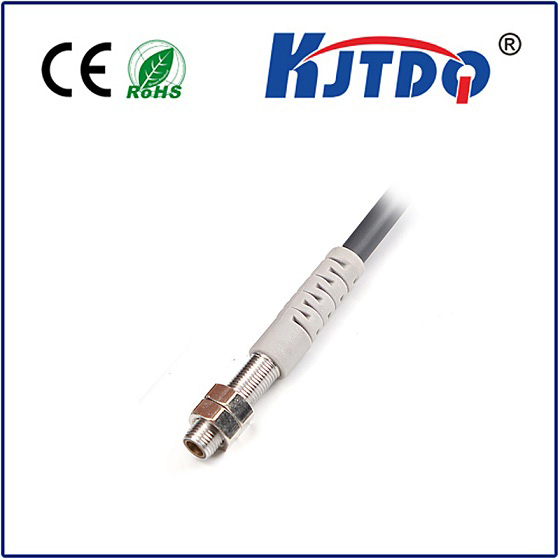
Modern advancements have further expanded their capabilities. Factor-1 cylindrical sensors now offer the same sensing range as larger housings, saving valuable space in compact machinery. Models with IO-Link digital communication provide not just a simple switch signal but also diagnostic data like operating temperature, signal strength, and device health, enabling predictive maintenance strategies. Analog output variants can even measure the precise distance to a target, blurring the line between a simple proximity switch and a precise displacement measuring device.
The true value of a proximity inductive sensor lies in its contribution to overall system efficiency and cost reduction. By eliminating mechanical contact, they remove a primary source of failure, dramatically increasing mean time between failures (MTBF). This translates to less downtime, lower maintenance costs, and higher production throughput. Their fast response time allows machinery to operate at optimal speeds, while their repeat accuracy ensures every cycle is identical, guaranteeing product quality.
Installation and wiring are straightforward, yet attention to detail is paramount. Ensuring adequate clearance from surrounding metal (to prevent false triggering) and proper shielding in environments with strong electromagnetic interference are standard best practices. For demanding applications like welding, specialized weld-field immune models are available that can withstand the intense magnetic fields generated by resistance welding guns.
From the hum of a food processing plant to the precise choreography of an electronics SMT line, proximity inductive sensors form the foundational sensory layer of Industry 4.0. They are the reliable, unseen guardians that convert physical presence into actionable data, driving the intelligence of automated systems. Their continued evolution towards miniaturization, smarter diagnostics, and network integration ensures they will remain a vital component in building the resilient, efficient, and connected factories of the future.