Проверка
Проверка
Проверка
Проверка
Проверка
Проверка
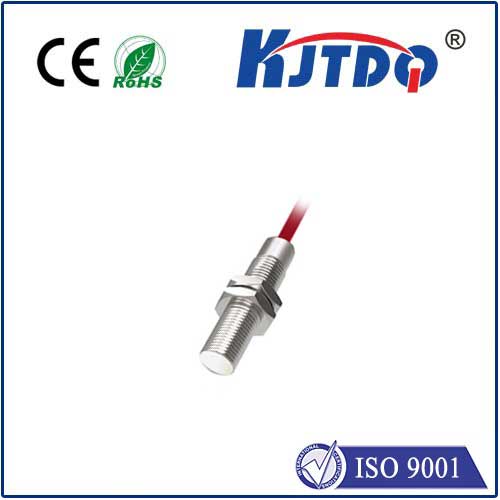
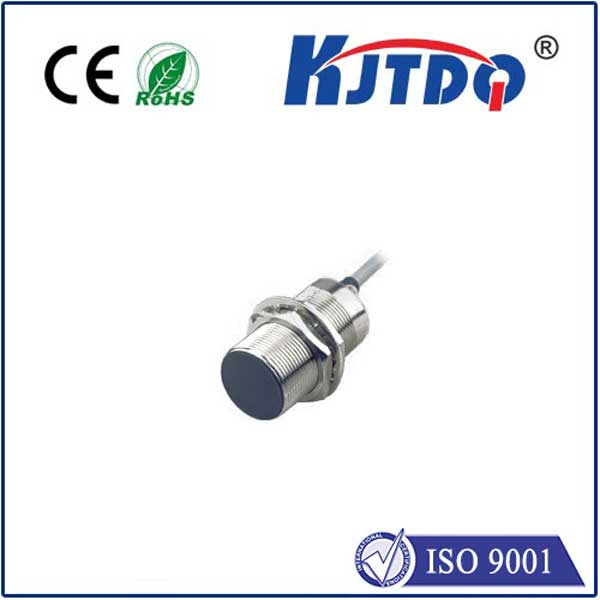
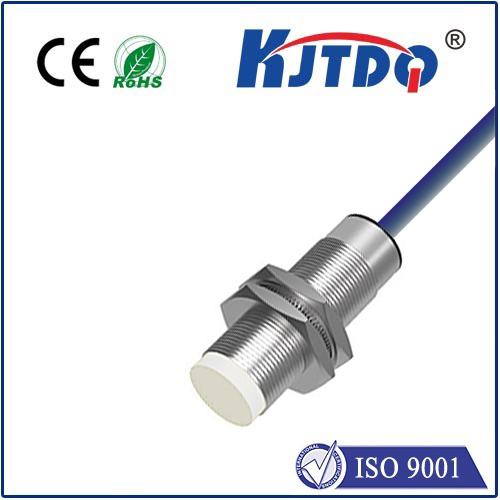
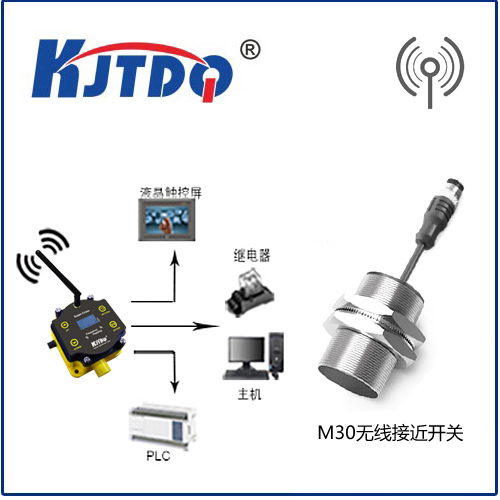
In the dynamic world of industrial automation, precision, reliability, and durability are non-negotiable. Among the myriad of components that keep modern production lines humming, the proximity sensor stands out as a critical element for non-contact detection. Specifically, the 24V inductive proximity sensor has become a cornerstone technology, offering a robust and efficient solution for countless applications. This article delves into the features, benefits, and practical uses of the KJTDQ 24V inductive proximity sensor, illustrating why it is a preferred choice for engineers and system integrators.
At its core, an inductive proximity sensor is designed to detect the presence of metallic objects without any physical contact. It operates on the principle of electromagnetic induction. The sensor generates an oscillating electromagnetic field from its sensing face. When a metallic target enters this field, eddy currents are induced on the surface of the target. This causes a change in the oscillation amplitude within the sensor's internal circuit, which is then processed to trigger a solid-state output switch. The "24V" designation refers to its standard operating voltage, typically 10-30V DC, making it perfectly compatible with most industrial control systems, Programmable Logic Controllers (PLCs), and standard machinery power supplies.
The KJTDQ series of 24V inductive proximity sensors is engineered to excel in demanding industrial environments. One of its primary advantages is its exceptional reliability. With no moving parts to wear out and a fully sealed housing, often rated IP67 or higher, these sensors are immune to dust, oil, coolant, and other common contaminants found on factory floors. This translates to minimal maintenance requirements and a significantly extended service life, reducing downtime and total cost of ownership.
Another key benefit is the high switching frequency and fast response time. Modern production lines operate at incredible speeds, and sensors must keep pace. The KJTDQ sensor can detect objects and send a signal in milliseconds, ensuring precise timing for operations like counting, positioning, and end-of-travel detection. This speed is crucial for maintaining high throughput and product quality. Furthermore, these sensors offer excellent repeat accuracy, meaning they consistently detect an object at the exact same point every time, which is vital for precision assembly and robotic guidance.
The versatility of the 24V inductive sensor is remarkable. Available in various housing shapes (like cylindrical, rectangular, or ring-shaped) and sensing ranges (from a few millimeters to several tens of millimeters), the KJTDQ series can be tailored to specific needs. Common applications include detecting the presence of metal parts on a conveyor belt, monitoring the position of a machine tool slide, ensuring a robotic gripper has successfully picked up a component, or providing safety interlock by confirming a guard door is closed. Its short-circuit and reverse polarity protection features add an extra layer of resilience against common wiring errors, safeguarding both the sensor and the control system.
When selecting a proximity sensor, environmental factors are paramount. The KJTDQ 24V inductive sensor is built to withstand temperature extremes, vibration, and electrical noise—common challenges in industrial settings. Its stable performance ensures that false triggers are avoided, maintaining the integrity of the automated process. The LED status indicator is a simple yet invaluable feature, providing immediate visual confirmation of power and output state, which simplifies installation, troubleshooting, and routine checks.
In conclusion, the move towards smarter and more connected factories—Industry 4.0—demands components that are not only intelligent but fundamentally robust and dependable. The KJTDQ 24V inductive proximity sensor embodies these qualities. It provides a seamless, contactless, and highly reliable method for object detection that forms the sensory foundation of automated systems. By choosing a proven solution like the KJTDQ sensor, manufacturers and automation professionals invest in operational consistency, efficiency, and long-term reliability, ensuring their machinery performs at its peak day in and day out. For any application requiring the detection of ferrous or non-ferrous metals, this sensor stands as a testament to practical, effective engineering.