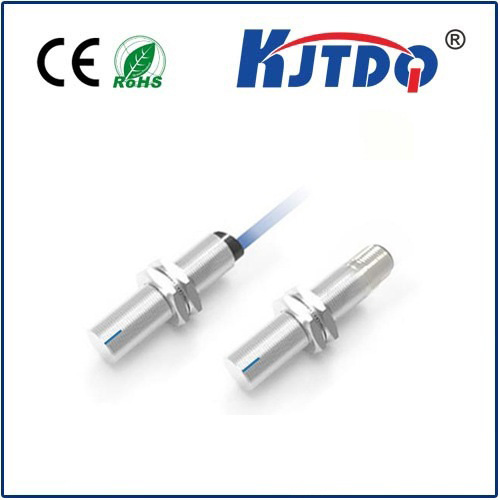
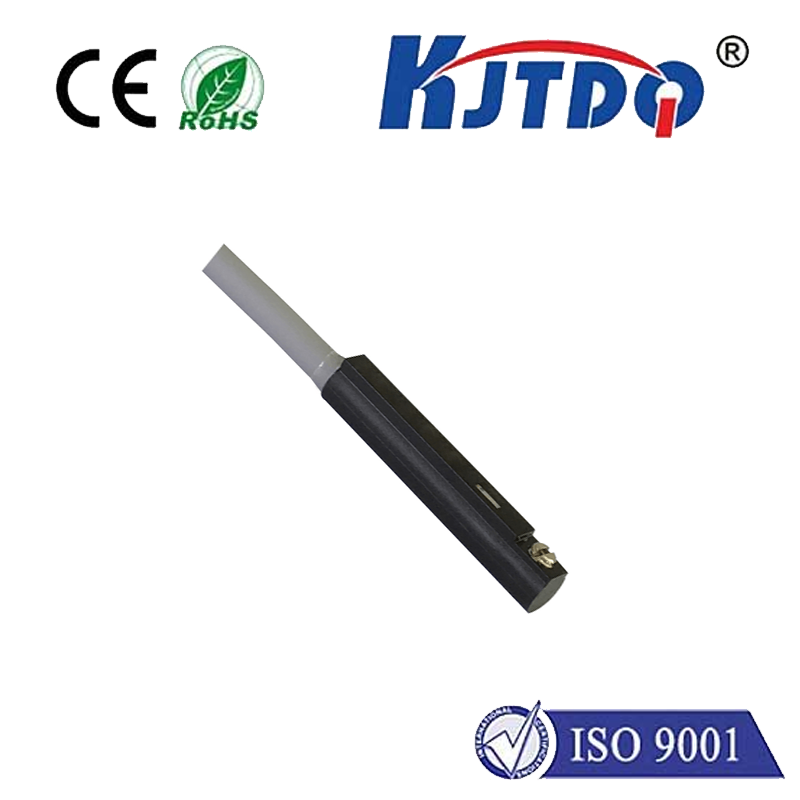
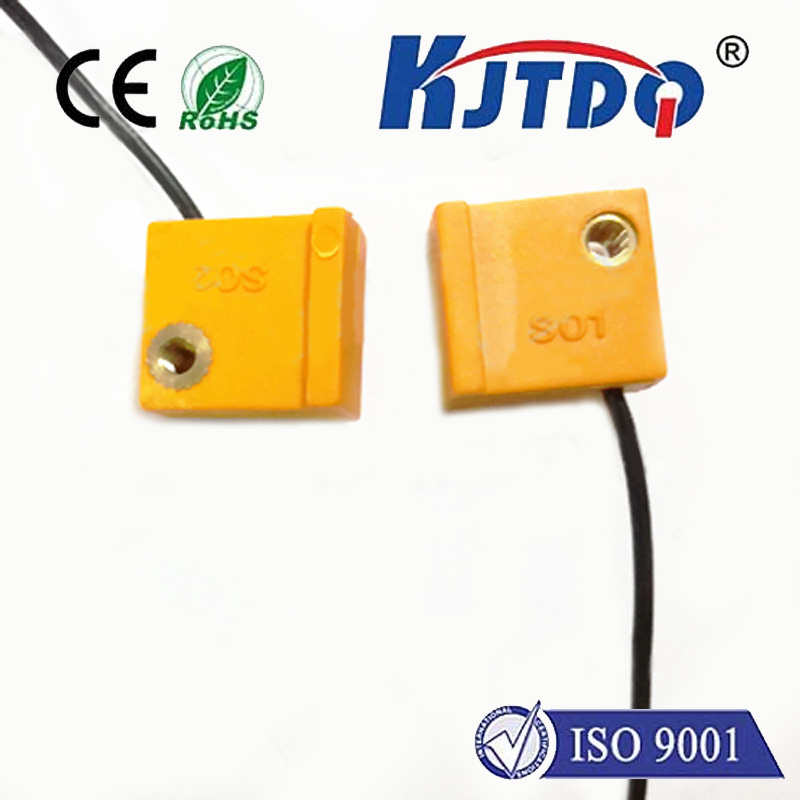
In today's fast-paced technological landscape, proximity sensors have become indispensable components across various industries, from consumer electronics to industrial automation. However, the challenge often lies in balancing performance with affordability. Low cost proximity sensors offer a practical solution, enabling businesses and developers to integrate reliable sensing capabilities without straining their budgets. These sensors detect the presence or absence of objects within a specified range, using technologies such as infrared (IR), ultrasonic, or capacitive sensing. Their applications are diverse, including touchless switches in public restrooms, obstacle detection in robotics, and inventory management in retail.
One of the key advantages of low cost proximity sensors is their versatility. For instance, IR-based sensors are commonly used in smartphones to disable the screen during calls, preventing accidental touches. In manufacturing, ultrasonic sensors help in monitoring assembly lines, ensuring smooth operations by detecting material levels or part positions. Despite their economical price point, many modern low cost sensors maintain high accuracy and durability, thanks to advancements in microelectronics and material science. Manufacturers have optimized production processes, using standardized components and automated assembly to reduce costs while maintaining quality.
When selecting a low cost proximity sensor, it's essential to consider factors like detection range, response time, and environmental conditions. For outdoor applications, sensors with robust housings that resist dust, moisture, and temperature fluctuations are preferable. In contrast, indoor settings might prioritize compact size and low power consumption. Additionally, compatibility with existing systems—such as microcontrollers or IoT platforms—can streamline integration. Many affordable sensors now come with digital outputs, simplifying connectivity and reducing the need for complex circuitry.
The rise of the Internet of Things (IoT) has further driven demand for cost-effective sensing solutions. Low cost proximity sensors play a crucial role in smart home devices, like automatic lighting systems that activate when someone enters a room, or security systems that trigger alarms upon unauthorized entry. In agriculture, they assist in automated irrigation by sensing soil moisture levels, promoting water conservation. By leveraging these sensors, businesses can enhance efficiency, reduce manual labor, and create innovative products that cater to evolving market needs.
Despite their benefits, it's important to address potential limitations. Lower-cost sensors may have shorter lifespans or reduced sensitivity compared to premium models, but regular maintenance and proper installation can mitigate these issues. Users should also verify certifications and test sensors in real-world scenarios to ensure reliability. Looking ahead, ongoing research in nanomaterials and wireless technology promises to make low cost proximity sensors even more accessible and efficient, paving the way for broader adoption in emerging fields like wearable tech and autonomous vehicles.
In summary, low cost proximity sensors provide an economical yet effective means to incorporate automation and sensing into various projects. By understanding their capabilities and selecting the right type for specific applications, users can achieve significant cost savings without compromising on functionality. As technology continues to evolve, these sensors are set to become even more integral to our daily lives, driving innovation across sectors from healthcare to entertainment.