Проверка
Проверка
Проверка
Проверка
Проверка
Проверка
In today's fast-paced world, convenience, security, and energy efficiency are paramount in our homes and workplaces. The humble door, a fundamental architectural element, is undergoing a quiet revolution. Enter the jhf2314 Door Proximity Sensor Switch, a sophisticated piece of technology designed to seamlessly integrate into modern automated environments. This device represents more than just a switch; it's a gateway to enhanced functionality, offering a touch-free, intelligent solution for controlling lighting, security systems, and various appliances.
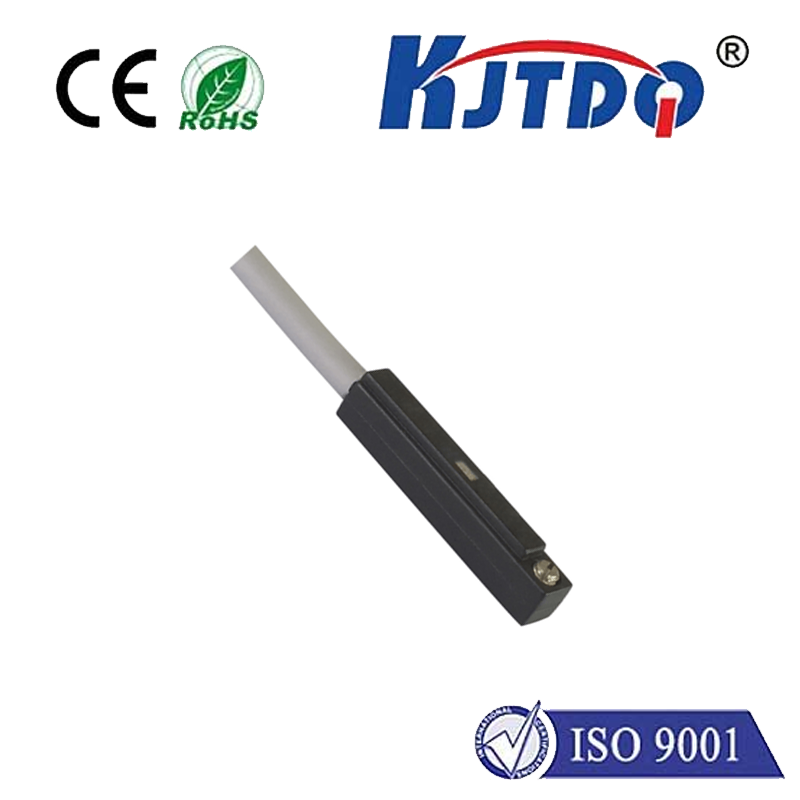
At its core, the jhf2314 is a non-contact sensor that detects the presence or absence of a door. Unlike traditional mechanical switches or even basic motion sensors, it operates on the principle of proximity sensing. When a door is opened or closed within its detection range, the sensor triggers a pre-programmed action. This eliminates the need for physical contact, which is not only more hygienic but also reduces wear and tear, significantly extending the lifespan of your electrical systems. The "jhf2314" model signifies a specific series known for its reliability and precision engineering, ensuring consistent performance.
The applications for the jhf2314 Door Proximity Sensor Switch are vast and transformative. In residential settings, imagine walking into a pantry or a walk-in closet, and the lights turn on automatically as the door opens, then switch off moments after the door is closed, saving energy effortlessly. It can be integrated into home security systems, sending an alert or triggering a camera recording when a door is opened unexpectedly. For families with young children or pets, it can provide peace of mind by monitoring access to certain rooms.
In commercial and public spaces, its utility shines even brighter. In retail stores, it can welcome customers with ambient lighting changes as they enter. In office buildings, it can manage corridor and storage room lighting, leading to substantial reductions in electricity costs. In hospitals or laboratories where hygiene is critical, touch-free operation is a major advantage. The sensor can also be connected to HVAC systems, helping to maintain room pressure or climate control by responding to door states.
Installation and integration are designed with simplicity in mind. The jhf2314 typically features a compact design, allowing for discreet placement on door frames or adjacent walls. It connects to existing low-voltage wiring or can be part of a wireless smart home ecosystem, communicating with hubs like those from SmartThings, Home Assistant, or proprietary systems. Configuration is often straightforward, allowing users to set parameters like detection range, trigger delay, and the specific output action—whether it's controlling a light relay, sending a signal to an alarm panel, or activating a smart plug.
One of the standout features of the jhf2314 series is its robust performance under various conditions. Engineered with stability in mind, it offers resistance to common interference factors such as ambient light fluctuations, temperature variations, and electromagnetic noise. This ensures that the sensor reacts only to the intended stimulus—the door's movement—and not to passing shadows or people walking nearby, minimizing false triggers. Its durability makes it suitable for both indoor and sheltered outdoor applications, like garage or patio doors.
Choosing the jhf2314 Door Proximity Sensor Switch is an investment in smarter infrastructure. It moves beyond basic automation to provide contextual intelligence. The door becomes an active component of the building's nervous system, communicating its status and enabling automated responses that enhance comfort, security, and efficiency. For homeowners looking to upgrade their living space, facility managers aiming to optimize building operations, or integrators deploying reliable IoT solutions, this sensor offers a proven and versatile foundation.
Ultimately, the jhf2314 transforms a simple, everyday action—opening a door—into a trigger for a smarter environment. It embodies the shift towards intuitive, responsive, and energy-conscious spaces without requiring complex setups or behavioral changes from users. By adopting this proximity technology, you are not just installing a switch; you are enabling a more connected, convenient, and controlled ecosystem, one door at a time.