In the rapidly evolving landscape of industrial automation, the demand for accurate, reliable, and durable sensing solutions is paramount. Among the myriad of components that form the backbone of modern manufacturing and control systems, proximity sensors hold a critical position. The E2E Series Proximity Sensor stands out as a prominent example of engineering excellence, designed to meet the rigorous demands of various industrial applications. This article delves into the core features, operational principles, and practical benefits of this sensor series, providing a comprehensive overview for engineers and decision-makers.
At its heart, the E2E Series is a family of inductive proximity sensors. These devices operate on a fundamental principle: they generate an electromagnetic field from a coil in the sensing face. When a metallic object, known as the target, enters this field, eddy currents are induced within the target. This process dampens the oscillation amplitude of the sensor's internal circuit. The sensor detects this change and subsequently switches its output state, providing a clear signal of the object's presence without any physical contact. This non-contact detection is a key advantage, eliminating mechanical wear and tear and ensuring a long operational life even in high-cycle applications.
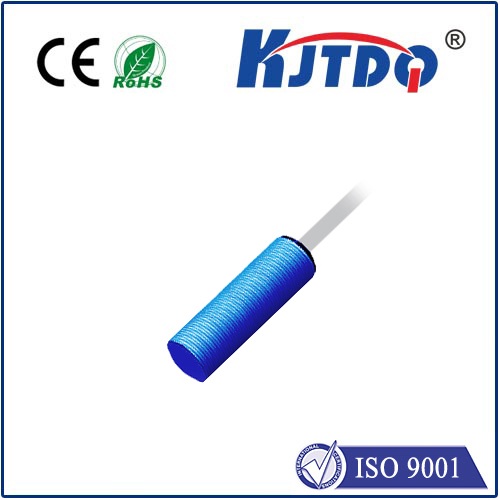
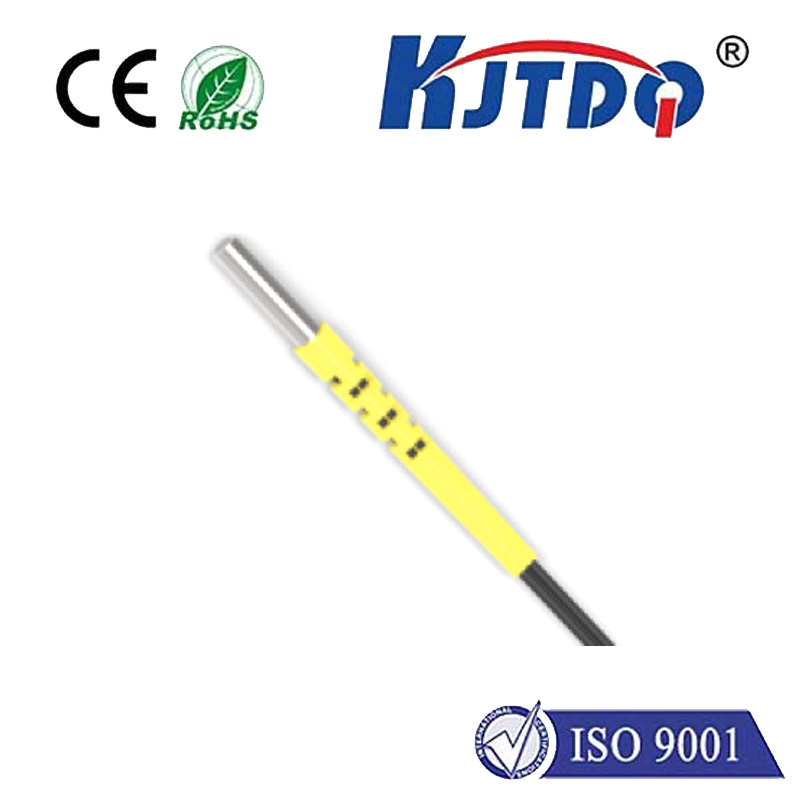
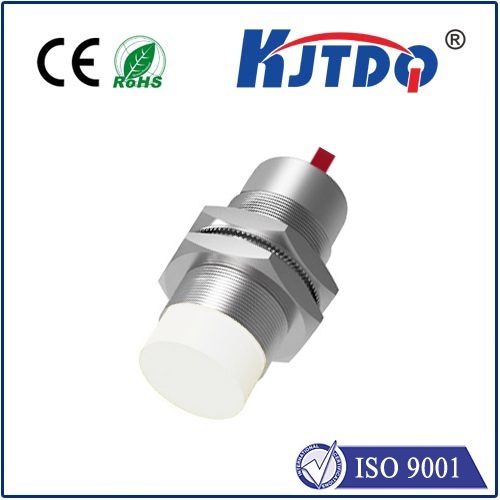
The design philosophy behind the E2E Series emphasizes robustness and versatility. Housed in a compact, cylindrical metallic body, these sensors are built to withstand harsh industrial environments. They typically offer high ingress protection ratings, such as IP67, making them resistant to dust and temporary immersion in water. This durability is crucial for applications in machine tools, automotive assembly lines, material handling systems, and packaging machinery, where exposure to coolants, metal chips, and vibrations is common.
One of the defining characteristics of the E2E Series is its sensing performance. Engineers can select from models with different sensing ranges, tailored to specific needs. The sensors provide stable detection regardless of surface color or ambient light conditions, a limitation often found in photoelectric sensors. Their response time is exceptionally fast, enabling precise detection in high-speed automation processes. Furthermore, many models in the series feature built-in protection against short-circuits, overloads, and reverse polarity, enhancing system safety and reducing downtime.
Installation and integration are streamlined for efficiency. The standardized threaded barrel design allows for easy mounting in standard brackets or directly into machined holes. Wiring is straightforward, with options for pre-wired cables or quick-disconnect connectors, facilitating maintenance and replacement. Compatibility with standard PLC (Programmable Logic Controller) inputs ensures seamless integration into existing control architectures, minimizing engineering overhead.
The application scope for the E2E Series Proximity Sensor is vast. Common uses include position verification of machine parts, end-of-travel detection for cylinders, counting of metallic objects on conveyors, and monitoring rotational speed by detecting gear teeth or keyways. In automated storage and retrieval systems, they ensure precise positioning of shuttles and lifts. Their reliability in detecting ferrous and non-ferrous metals (depending on the model) makes them indispensable across sectors from food and beverage to heavy machinery.
When selecting a sensor from the E2E Series, several factors must be considered. The sensing distance, target material and size, output type (NPN or PNP, NO or NC), and supply voltage are primary selection criteria. Environmental conditions, such as temperature extremes or the presence of aggressive chemicals, also guide the choice towards models with appropriate specifications. Consulting technical datasheets and application guides is essential for optimal performance.
In conclusion, the E2E Series Proximity Sensor represents a blend of proven inductive technology and practical design focused on industrial resilience. Its non-contact operation, environmental durability, and reliable performance under demanding conditions make it a trusted component for enhancing automation efficiency, safety, and productivity. As industries continue to advance towards smarter, more connected systems, the role of dependable foundational components like the E2E Series becomes ever more critical for ensuring seamless and uninterrupted operations.