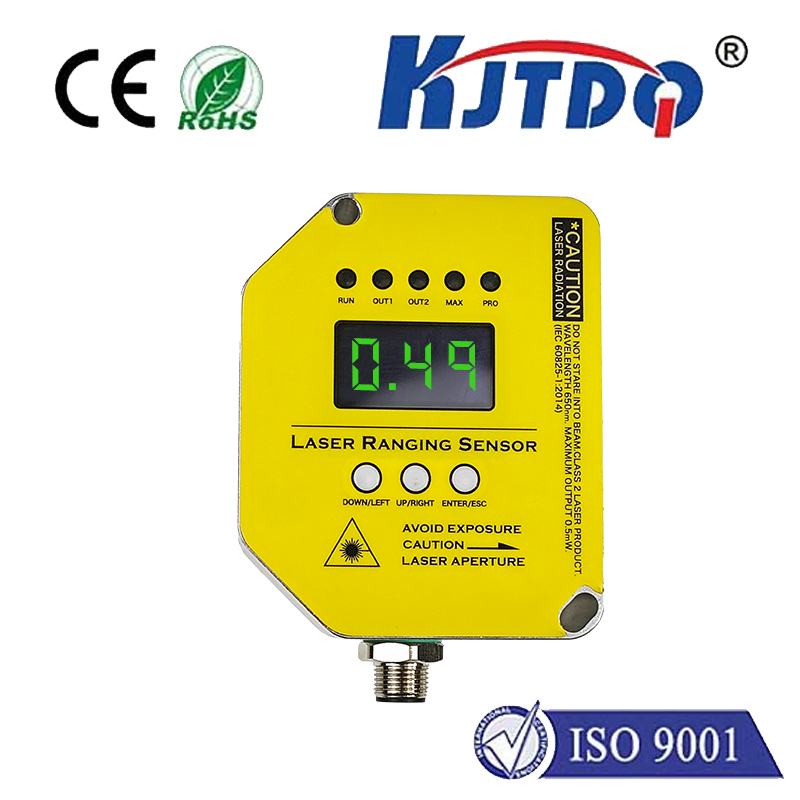
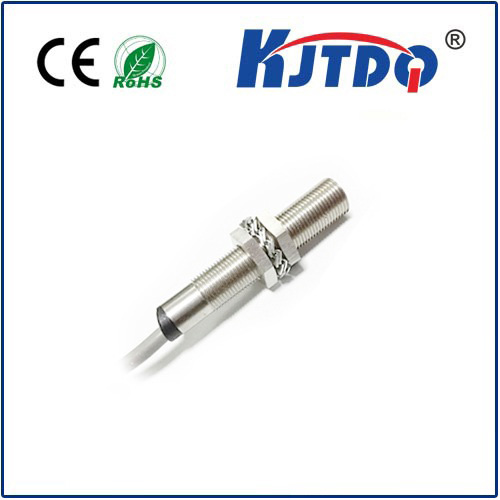
In the rapidly evolving landscape of industrial IoT and smart infrastructure, the convergence of proximity sensing and long-range, low-power communication has unlocked unprecedented possibilities. The integration of LoRa (Long Range) technology with advanced proximity sensors is not just an incremental improvement; it represents a fundamental shift in how we monitor assets, automate processes, and gather critical data from remote or hard-to-reach locations. This synergy addresses long-standing challenges in battery life, deployment range, and operational cost, paving the way for smarter, more efficient, and truly wireless systems.
Traditional proximity sensors, while reliable for close-range detection in controlled environments, often hit a wall when applications demand data transmission over vast areas or through challenging urban and industrial layouts. Wired solutions are costly and inflexible, while conventional wireless options like Wi-Fi or Bluetooth drain power quickly and offer limited range. This is where LoRa technology becomes a game-changer. Operating in sub-GHz license-free bands, LoRa enables communication over distances of several kilometers in rural areas and through dense urban environments, all while maintaining remarkably low power consumption. A proximity sensor equipped with a LoRa module can operate on a single battery for years, transmitting detection events—such as the presence or absence of an object, machine part, or vehicle—back to a central gateway with minimal energy expenditure.
The applications for Proximity Sensor LoRa solutions are vast and transformative. In industrial automation, they enable condition-based monitoring of machinery. Sensors can detect whether a safety guard is closed, if a pallet is in position on a conveyor line, or when a tool has been returned to its rack. This data, sent via LoRaWAN networks, allows for predictive maintenance, reduces downtime, and enhances operational safety—all without the need for complex wiring across a factory floor. In logistics and supply chain management, these sensors provide real-time visibility into asset status. They can monitor whether shipping containers are loaded or empty, track the movement of goods within a warehouse yard, or ensure that high-value equipment remains within a geofenced area, significantly reducing loss and improving inventory accuracy.
Smart city deployments benefit immensely from this technology. Proximity Sensor LoRa units can monitor parking space occupancy, transmitting data to guide drivers and reduce traffic congestion. They can detect waste levels in public bins, optimizing collection routes for sanitation services. In agricultural settings, sensors can monitor the position of irrigation system components or the presence of livestock in specific zones, enabling precise and efficient resource management over sprawling farms. The robustness of LoRa signals ensures reliable operation even in environments with significant metal obstructions or concrete structures, which often plague other wireless technologies.
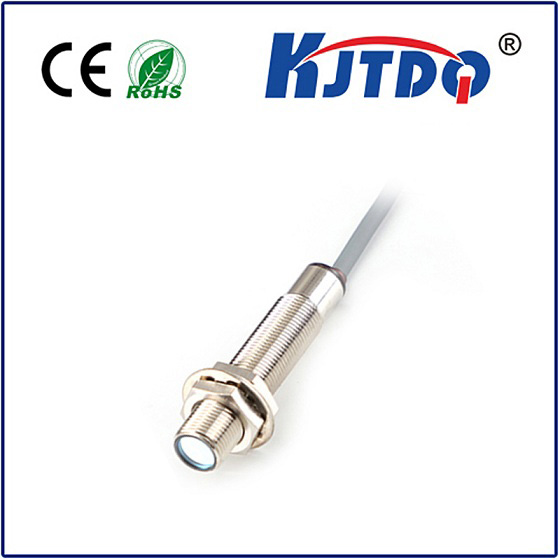
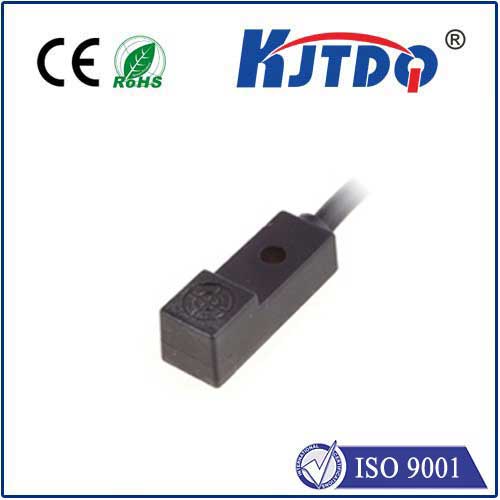
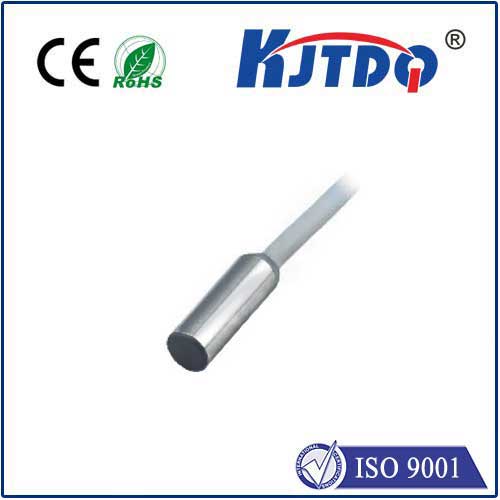
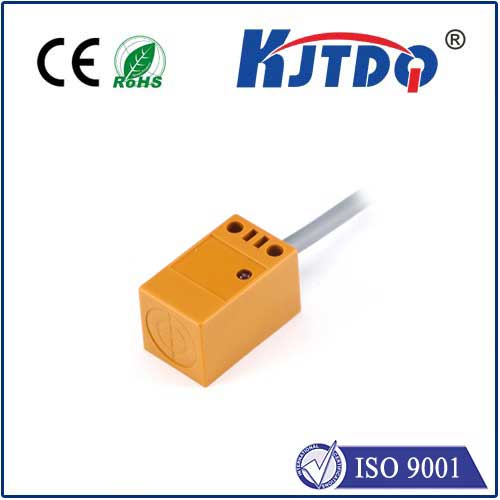
The implementation of such a system is elegantly simple. A typical Proximity Sensor LoRa device consists of the sensing element—which could be inductive, capacitive, or ultrasonic based on the target material—coupled with a low-power microcontroller and a LoRa transceiver. Upon detecting a predefined change in state, the device wakes from a deep sleep mode, packages the sensor data into a small LoRa packet, and transmits it to a LoRaWAN gateway. This gateway then forwards the data to a network server and onto the final application platform, where it can be visualized, analyzed, and integrated into larger automation workflows. The bidirectional capability of LoRaWAN also allows for remote configuration of the sensor parameters, such as sensitivity or reporting intervals, adding a layer of flexibility post-deployment.
Security and scalability are inherent strengths of the LoRaWAN framework. Communications are secured with end-to-end AES encryption, ensuring that detection data remains confidential and tamper-proof. Network architecture is highly scalable, allowing a single gateway to handle messages from thousands of sensors, making it economically viable to deploy vast sensor networks covering entire industrial complexes, ports, or cities. This scalability future-proofs investments, as new sensors can be added to the network without significant infrastructure overhead.
The economic argument is compelling. By eliminating miles of cabling, reducing maintenance visits for battery changes, and preventing costly machine failures or asset losses, Proximity Sensor LoRa solutions offer a rapid return on investment. They lower the barrier to entry for comprehensive monitoring, allowing small and medium-sized enterprises to adopt automation technologies that were previously cost-prohibitive.
In conclusion, the fusion of precise proximity sensing with the long-range, low-power prowess of LoRa is more than a technical specification—it is an enabler of innovation. It breaks down the physical and economic barriers to data acquisition, turning remote or challenging environments into sources of actionable intelligence. As industries worldwide strive for greater efficiency, safety, and sustainability, Proximity Sensor LoRa technology stands out as a critical tool, transforming simple detection events into the foundational data points for a smarter, more connected world. The revolution in remote monitoring and industrial automation is not on the horizon; it is here, powered by this potent combination of reliable sensing and resilient communication.