Проверка
Проверка
Проверка
Проверка
Проверка
Проверка
We step onto them countless times a day – bustling airports, busy shopping malls, underground transit networks. The familiar hum and rhythmic movement of escalators are ingrained in modern urban life. Yet, beneath this visible machinery lies a silent, essential guardian ensuring every step we take is secure. At the heart of this critical safety net lies a technology both elegant and reliable: the escalator photoelectric sensor.
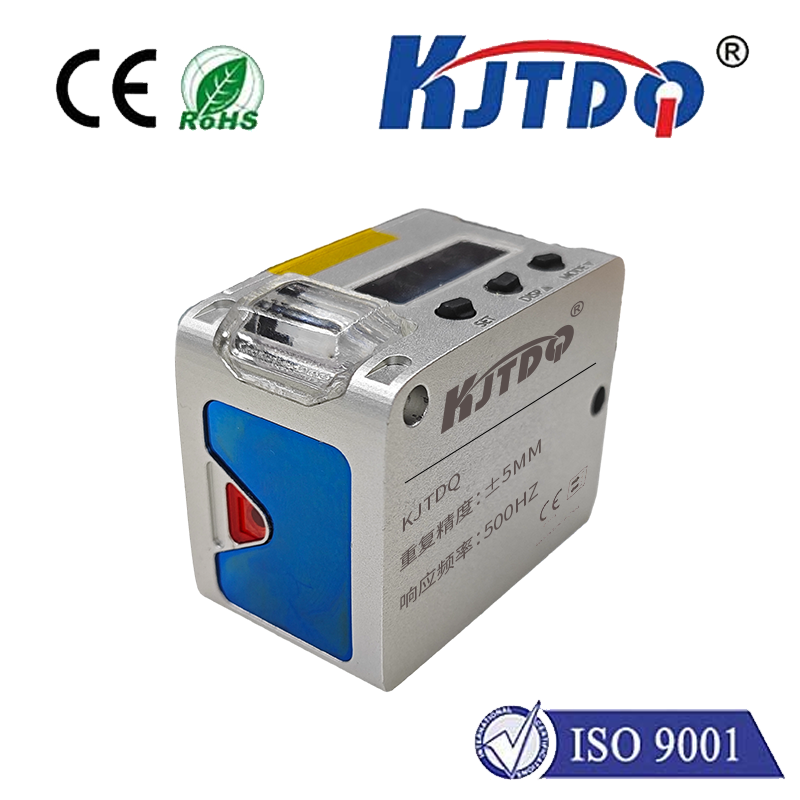
Far more than just a component, photoelectricity sensors represent the core intelligence preventing accidents before they occur. These optical devices, meticulously integrated into escalator design, form an invisible shield using light itself. Their role isn’t mechanical propulsion but vigilant protection, constantly monitoring the step path and surrounding areas for potential hazards, ensuring the smooth transition between motion and safety.
Decoding Photoelectricity: Light as the Safety Sentinel
The principle is deceptively simple yet incredibly effective. Photoelectric sensors operate on the fundamental interaction of light and matter. In an escalator context, they primarily function as beam interruption detectors. Here’s the breakdown:
This real-time, light-based monitoring creates a non-contact safety barrier. There are no physical switches to jam or wear out prematurely; the system relies purely on the presence or absence of light.
Why Photoelectric Sensors Reign Supreme in Escalator Safety
Several key advantages make photoelectric sensors the preferred choice for critical escalator safety applications:
Crucial Applications: Where the “Light Barrier” Saves the Day
Photoelectric sensors are strategically deployed at several critical junctures on an escalator:
Beyond Safety: The Efficiency Frontier
While paramount, safety isn’t the only benefit. Reliable photoelectric sensors contribute to overall escalator uptime and efficiency. By preventing accidents, they minimize disruptive emergency stops triggered by entrapments. Furthermore, their inherent reliability and lower maintenance requirements compared to mechanical switches reduce service interruptions and associated costs, keeping people and places moving smoothly.
Innovation and the Path Forward: Smarter Sensing
Escalator photoelectric sensor technology isn’t static. Continuous refinement focuses on:
Compliance: The Non-Negotiable Standard
The deployment and performance of escalator safety systems, including photoelectric sensors, are governed by stringent international safety standards (like ISO 22200 and regional equivalents like EN 115). Compliance isn’t optional; it’s a fundamental requirement ensuring these life-saving devices perform reliably under defined conditions. Regular inspection, testing, and certification are mandated to verify that these sensors meet the required Safety Integrity Levels (SIL) for their critical function.
The next time you step onto an escalator, take a fleeting moment to appreciate the unseen technology working tirelessly to protect you. Photoelectric sensors, operating silently with beams of light, epitomize the sophisticated, reliable safety engineering embedded within modern escalators. They are the digital vigilance that makes the rhythmic motion of modern transportation not just convenient, but fundamentally safe for millions of passengers every single day. Their evolution continues, promising even greater levels of precision and proactive protection as escalator technology advances.