Проверка
Проверка
Проверка
Проверка
Проверка
Проверка
Ever wonder what silently confirms your industrial valves are perfectly positioned, safeguarding processes and preventing costly errors? Look no further than the unassuming yet vital mechanical valve limit switch. In the intricate world of industrial automation, where valves control the lifeblood of fluids and gases, knowing their exact position isn’t just convenient – it’s critical for safety, efficiency, and process integrity. This is where the robust and reliable mechanical valve limit switch steps into the spotlight, offering a tangible solution for valve position feedback.
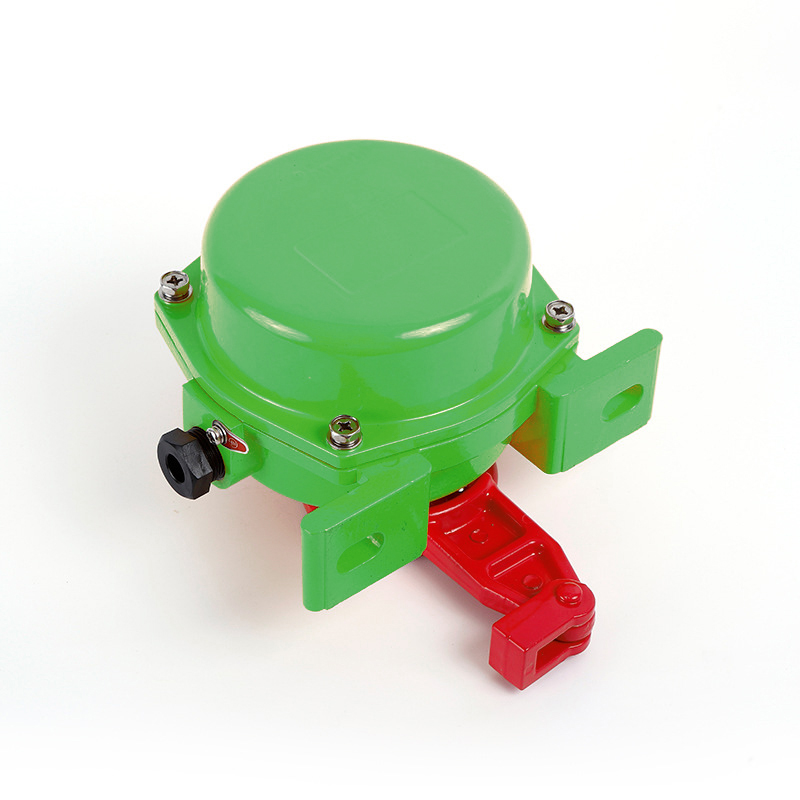
Unlike purely electronic sensors, a mechanical valve limit switch operates on a fundamentally physical principle. It’s typically mounted directly onto the valve’s actuator – be it a rotary lever for quarter-turn valves (like ball or butterfly valves) or the stem of linear valves (like gate or globe valves). As the valve moves through its operating cycle (open to closed, or vice versa), a cam or target attached to the moving part physically interacts with the switch’s actuator arm or plunger. This direct mechanical contact is the core of its operation. When the valve reaches a predefined position (typically fully open or fully closed), the cam pushes the switch’s actuator, triggering an internal mechanism.
Inside the sturdy enclosure of the limit switch, this physical movement translates into an electrical signal change. The actuator arm depresses a spring-loaded mechanism within the switch body. This action either opens or closes electrical contacts – making or breaking a circuit – depending on the specific switch design (normally open or normally closed configurations are common). This change in the electrical state is the crucial output signal. It’s relayed back to the control system (like a PLC - Programmable Logic Controller), providing definitive confirmation: “Valve Open” or “Valve Closed.”
Why choose a mechanical valve limit switch over electronic alternatives? The answer lies in its distinct advantages:
The applications for mechanical valve limit switches are vast, spanning industries where valve position confirmation is paramount:
Key design features to consider when selecting a mechanical valve limit switch include:
In essence, the mechanical valve limit switch remains a cornerstone technology in industrial automation. Its core strength is delivering unequivocal, physically verified position feedback through a robust, dependable, and cost-effective mechanism. While modern proximity sensors and smart positioners offer advanced diagnostics, for pure, unambiguous open/closed confirmation in demanding conditions, the tactile certainty provided by the mechanical switch is often the preferred, or even mandated, choice. It silently fulfills its duty cycle after cycle, ensuring valves are precisely where they need to be, safeguarding processes, personnel, and equipment one definitive “click” at a time.