Проверка
Проверка
Проверка
Проверка
Проверка
Проверка
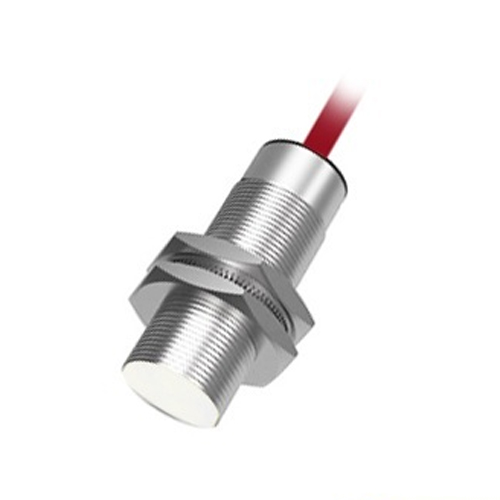
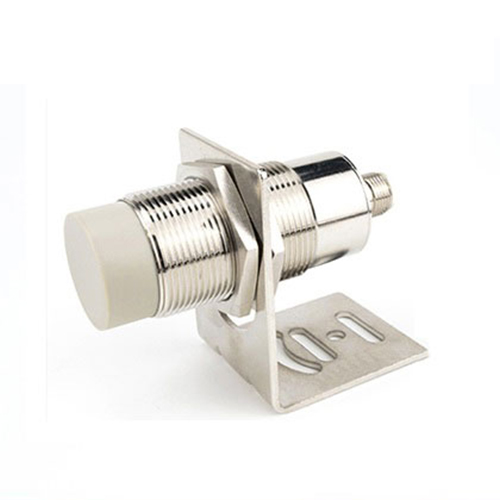
Picture this: your smartphone screen flickers awake effortlessly as you lift it towards your face, or your smartwatch instantly displays notifications when you glance at it, only to dim seamlessly when you look away. These subtle, intuitive interactions are powered by a critical yet often invisible technology: the датчик приближения. But as our world becomes increasingly populated by battery-dependent devices – from wearables and hearables to smart home gadgets and industrial IoT sensors – the demand for ultra-low power proximity sensors has surged from a niche requirement to a fundamental necessity. These tiny sentinels are undergoing a quiet revolution, enabling unprecedented levels of energy efficiency without compromising performance.
For years, conventional proximity sensors posed a significant drain on device battery life. Constantly active or frequently polling for presence, they contributed to the frustrating experience of devices needing daily, or even more frequent, charging. This limitation stifled innovation, particularly for applications requiring years of operation on tiny batteries or even energy harvesting. Enter the era of the ultra-low power proximity sensor. This isn’t just an incremental improvement; it’s a paradigm shift in how devices perceive their environment while sipping minuscule amounts of power.
Understanding the Core Challenge: Power Consumption
The primary hurdle for truly low-power operation lies in the sensor’s active state. Traditional infrared (IR) proximity sensors often require continuously driving an IR LED emitter and monitoring the reflected light intensity using a photodiode receiver. Emitting IR light is inherently power-hungry. Optimizing this process is where the magic happens:

Where Ultra-Low Power Proximity Makes the Difference
The impact of these advancements extends far beyond convenience; it unlocks entirely new frontiers:
Beyond Just Power: Performance and Integration
It’s crucial to note that ultra-low power doesn’t mean sacrificing performance. Modern sensors achieve impressive detection ranges (often several centimeters to tens of centimeters), reliable operation across varying ambient light conditions, and robust immunity to noise, all while maintaining their miserly power profile. Furthermore, their compact size and ease of integration make them ideal for space-constrained designs.
The Road Ahead: Smarter and More Efficient
The evolution of ultra-low power proximity sensors continues. We see exciting trends:
Powering the Invisible Intelligence
Ultra-low power proximity sensors are no longer a luxury; they are the silent enablers of a smarter, more intuitive, and vastly more energy-efficient world of connected devices. By solving the critical challenge of power consumption, these sensors unlock the potential for truly ambient intelligence – devices that are always contextually aware yet gentle on their power sources. They form the essential bridge between the physical world and the digital one, operating tirelessly yet efficiently in the background. The future belongs to devices that perceive intelligently while consuming power imperceptibly, and ultra-low power proximity technology is leading the charge. As innovation continues to drive down power requirements even further, we can expect these tiny components to become even more ubiquitous and fundamental to the next generation of intelligent electronics.