Проверка
Проверка
Проверка
Проверка
Проверка
Проверка
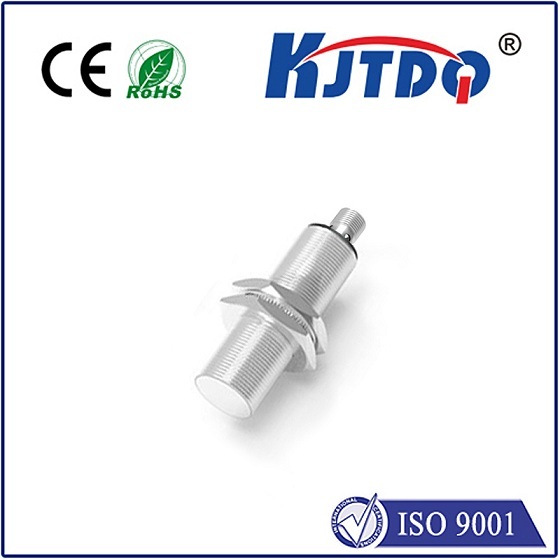
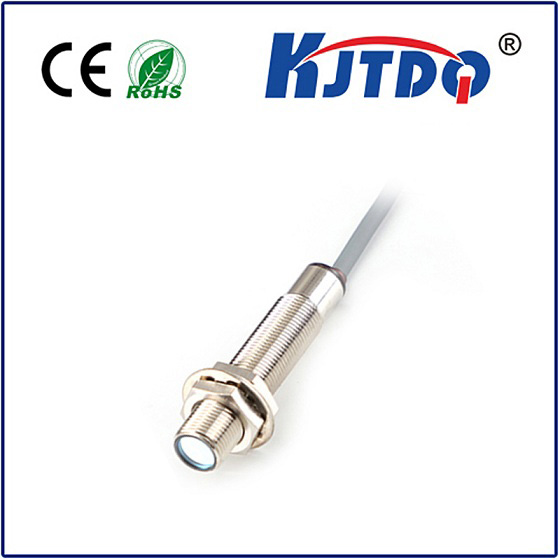
In the intricate world of rotating machinery, precision is paramount. A fraction of a millimeter out of place, an unexpected vibration, or a minuscule shift in position – these seemingly insignificant changes can cascade into catastrophic failures, costly downtime, and significant safety hazards. How do engineers reliably monitor these critical parameters, especially in harsh environments where contact is impossible or undesirable? Enter the зонд приближения вихря, an unsung hero of industrial sensing, operating silently and precisely to safeguard vital assets.
Unlocking the Principle: The Power of Electromagnetic Induction
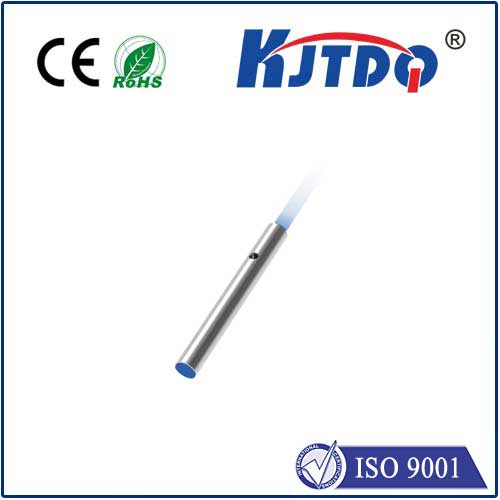
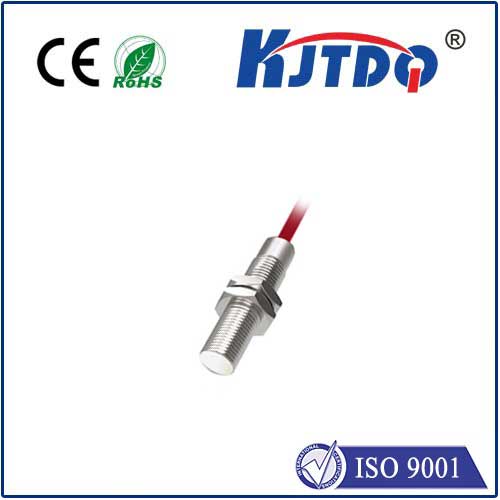
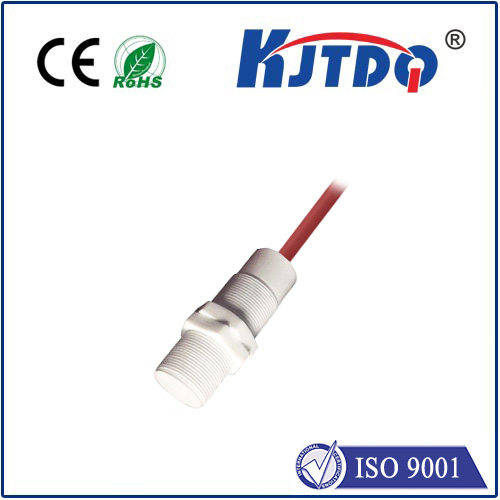
At its core, the operation of an eddy current sensor hinges on a fundamental law of physics: electromagnetic induction. The probe itself, the tip of the sensing system, contains a small coil of wire energized by a high-frequency alternating current from an oscillator module. This oscillating current generates a rapidly changing magnetic field that emanates from the probe tip.
When this magnetic field encounters a conductive target material (like steel, aluminum, copper, or titanium), it induces circulating electrical currents within the surface of that material. These are the eddy currents. Crucially, these eddy currents themselves generate their own opposing magnetic field, which interacts with the original field from the probe’s coil.

As the distance between the probe tip and the target changes, the intensity of the induced eddy currents and the strength of the opposing magnetic field also change. This interaction alters the electrical characteristics (specifically, the impedance – the combination of resistance and reactance) of the coil inside the probe. Sophisticated electronics within the proximity probe system – typically comprising the probe, extension cable, and an oscillator/demodulator unit – precisely measure this change in impedance. This measured change is then linearly converted into a voltage output signal that directly corresponds to the gap distance between the probe and the target.
Core Components of the Sensing System
A complete non-contact displacement measurement system relies on these key elements working seamlessly together:
Where Precision Matters Most: Key Applications
The unique capabilities of eddy current probes make them indispensable in numerous demanding scenarios:
Selecting the Right Tool: Critical Considerations
Maximizing the performance and longevity of an eddy current measurement system requires careful selection:
Why Eddy Current Probes Reign Supreme: Key Advantages
Understanding the principles, applications, and selection criteria for eddy current proximity probes reveals why they are the go-to solution for critical machinery health monitoring and precision displacement measurement in the most challenging industrial environments. Their silent vigilance, relying on the invisible dance of electromagnetic fields and eddy currents, provides the essential data needed to predict problems, optimize performance, and ensure the safe, efficient operation of vital assets. Their role as guardians of reliability, operating unseen but unfailingly precise, is fundamental to modern industry.