Проверка
Проверка
Проверка
Проверка
Проверка
Проверка
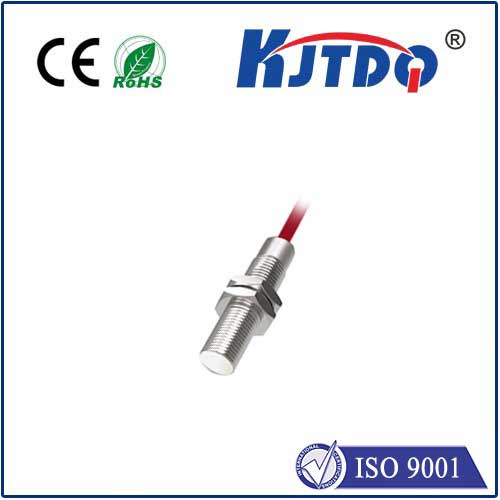
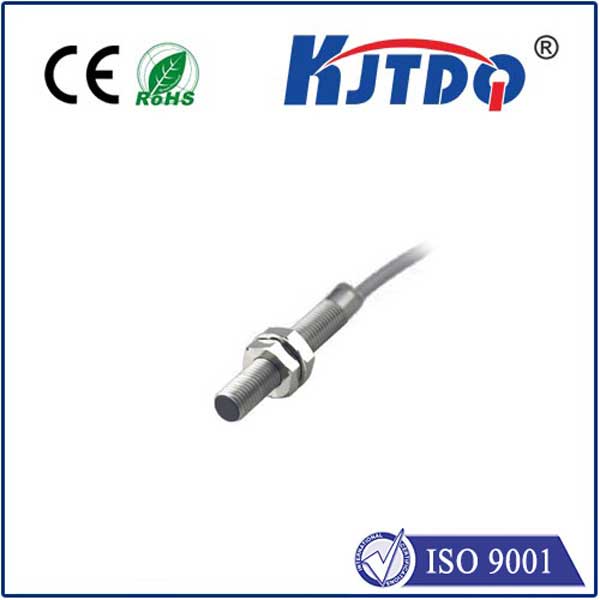
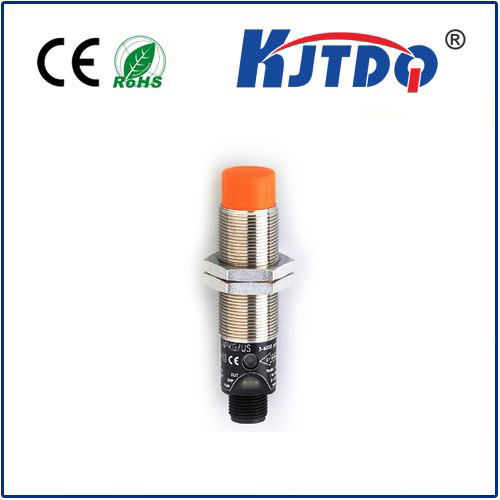
Imagine an assembly line where components glide past seamlessly, robots make precise movements, and machines operate with rhythmic efficiency. Suddenly, a crucial part is missing. Without detection, chaos erupts: misaligned assemblies, damaged machinery, costly downtime. The silent guardian preventing this scenario? Often, it’s the unassuming yet vital PNP NC proximity sensor. This specific type of non-contact sensor combines the dependable PNP switching logic with the inherent safety of a Normally Closed (NC) configuration, making it a powerhouse for ensuring operational reliability and safety in demanding industrial environments.
So, what exactly defines a PNP NC proximity sensor? Let’s break it down. At its core, an inductive or capacitive proximity sensor detects the presence or absence of metallic or non-metallic objects without physical contact. The “ПНП” designation refers to its output transistor configuration. In simpler terms, a PNP proximity sensor acts like a switched positive voltage source. When it detects a target object within its sensing range, its output transistor turns ON, connecting the output signal line to the positive supply voltage (+V). Conversely, when no target is detected, the output is OFF or “open.”
The “НС” suffix – standing for Normally Closed – is crucial and defines the sensor’s resting state when power is applied but no target is present. An NC proximity sensor means its output circuit is closed (conducting, allowing current flow) when it does not detect a target within its sensing range. Detection occurs when the target approaches; the sensor’s internal switch then opens the circuit, interrupting current flow.
Therefore, a PNP NC proximity sensor has the following distinct behavior:
This might seem counterintuitive at first. Why make the sensor “active” (supplying power) when nothing is there? The answer lies in safety and fault detection. An NC configuration provides a “fail-safe” principle. Consider critical applications:

Where Do PNP NC Proximity Sensors Shine?
The unique combination of PNP sourcing output and NC fail-safe behavior makes these sensors indispensable in numerous scenarios:
Advantages Over Other Configurations:
Understanding PNP NC sensors highlights their specific strengths compared to other types like PNP NO (Normally Open) or NPN (sinking output):
Selecting and Implementing Your PNP NC Proximity Sensor:
Choosing the right PNP NC sensor requires careful consideration:
During wiring, heed the datasheet! Connect the brown wire (+V supply), blue wire (0V/Common), and black wire (PNP Output) correctly. Remember, the NC function means the black PNP output wire supplies +V when Нет! target is detected and switches off (opens) when the target is present. This output behavior is central to its safety logic.
The Silent Enabler of Reliable Automation:
From preventing catastrophic accidents on high-speed machinery to ensuring the smooth flow of automated packaging lines, the PNP NC proximity sensor operates silently in the background. Its deliberate design choice – active output during the safe state and interruption upon detection or failure – provides an unparalleled layer of functional safety. While the Normally Closed concept requires a slight mental shift, its value in creating robust, fault-tolerant systems is immense. When your application demands certainty that a dangerous condition will be recognized, even if the sensor itself malfunctions, the fail-safe nature of the PNP NC proximity sensor becomes not just an advantage, but an essential requirement for reliable and safe industrial operation.