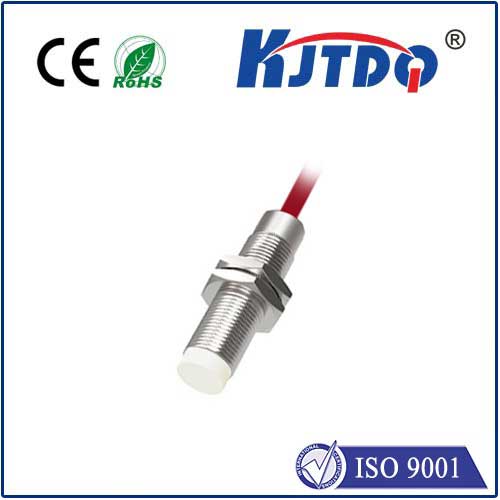
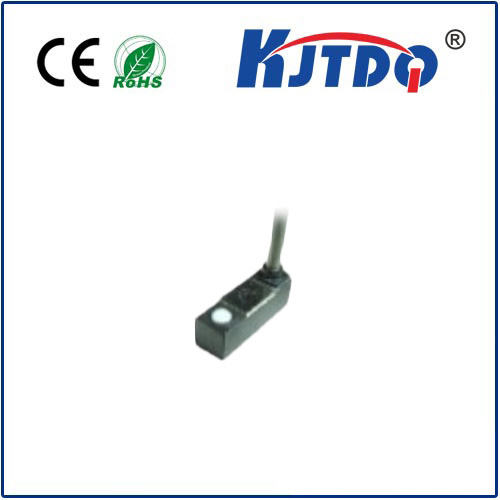
In today's rapidly evolving industrial landscape, automation stands as a cornerstone of productivity and precision. At the heart of many automated systems lies a critical component: the photoelectric switch sensor. This technology, often abbreviated in industry contexts, serves as the unseen eyes of machinery, enabling non-contact detection, counting, positioning, and quality control with remarkable accuracy. Unlike mechanical switches, photoelectric sensors use a beam of light to detect the presence, absence, or distance of an object, offering superior longevity and reliability by eliminating physical wear and tear.
The fundamental principle of a photoelectric switch sensor involves three core elements: an emitter (light source), a receiver, and a signal converter. The emitter projects a light beam—often infrared, visible red, or laser—towards the receiver. When an object interrupts or reflects this beam, the receiver detects the change in light intensity. This detection triggers the sensor's output circuit to switch states, sending a clear signal to a programmable logic controller (PLC) or other control system. This seamless process forms the basis for countless applications, from simple object detection on a conveyor belt to complex robotic guidance.
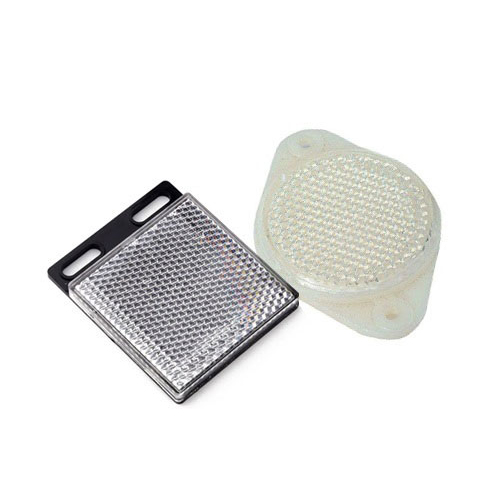
Several key types of photoelectric sensors dominate the market, each suited for specific challenges. Through-beam sensors, with separate emitter and receiver units, offer the longest sensing ranges and highest reliability for detecting any object that breaks the beam. Retro-reflective sensors use a single unit and a reflector, ideal for detecting objects at moderate distances. Diffuse or proximity sensors detect light reflected directly from the target itself, perfect for close-range applications where installing a separate receiver is impractical. Modern advancements have also led to background suppression and color contrast sensors, which can distinguish objects based on distance or specific reflectivity, adding a layer of intelligence to detection tasks.
The advantages of integrating photoelectric switch sensors into automation systems are profound. Their non-contact nature means no physical interaction with the target, preventing damage to both the sensor and delicate products. This leads to significantly reduced maintenance costs and downtime. They boast high switching speeds, capable of detecting objects moving at high velocities, which is essential in fast-paced manufacturing environments like packaging or automotive assembly. Furthermore, their ability to detect a wide variety of materials—metal, plastic, glass, liquid levels, and even transparent films—makes them incredibly versatile. Their resilience in harsh environments, with models featuring robust housings resistant to dust, moisture, and vibration, ensures consistent performance where other sensors might fail.
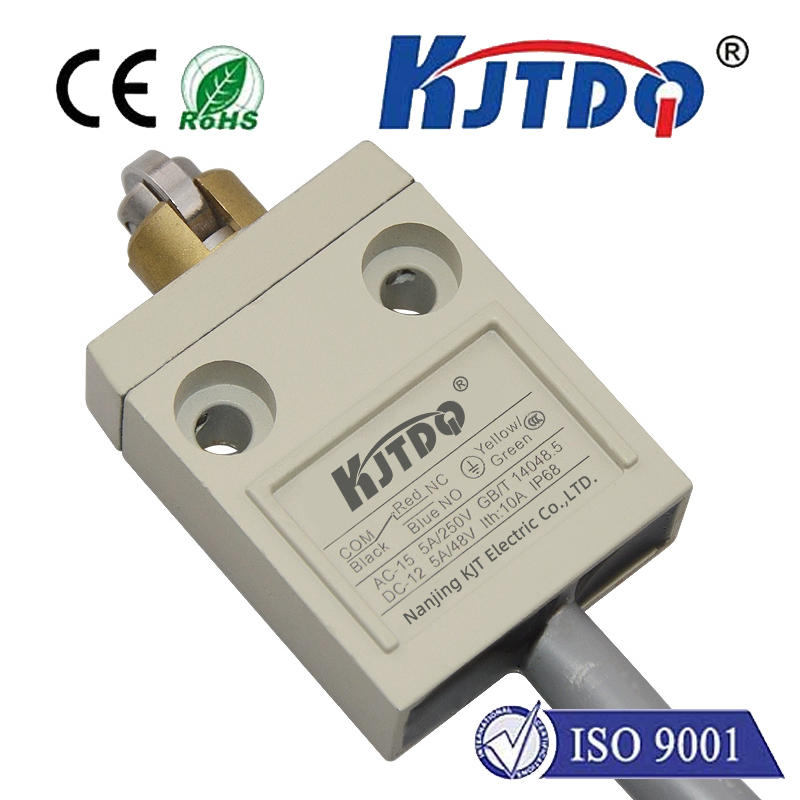
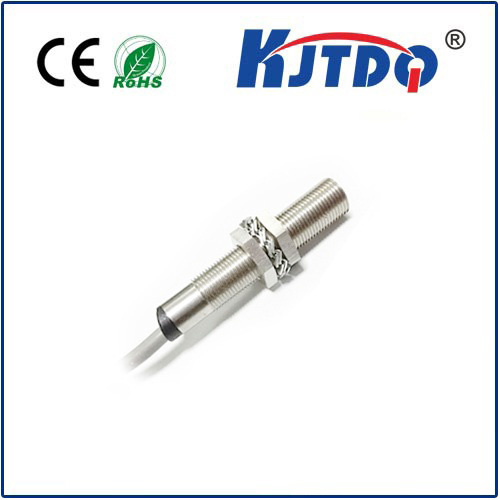
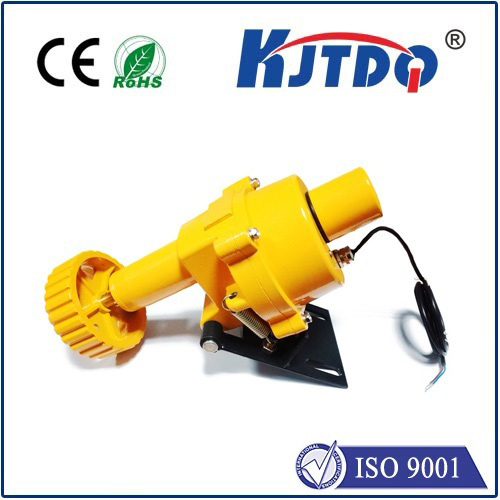
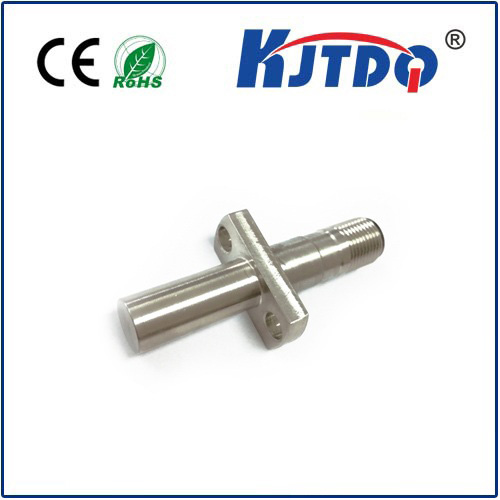
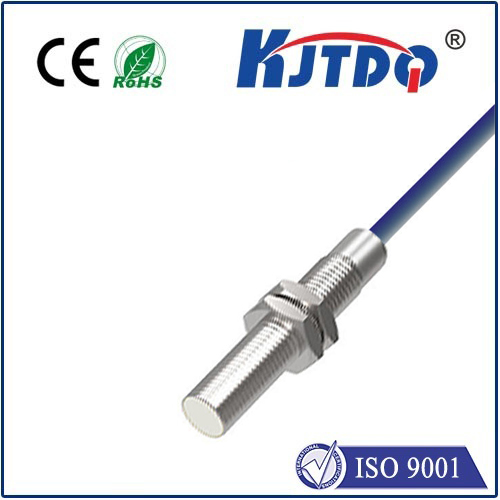
Real-world applications of photoelectric switch sensors are vast and varied. In material handling and logistics, they count boxes, control sorting gates, and ensure precise pallet positioning. Within the automotive industry, they verify the presence of components on assembly lines and inspect weld points. In food and beverage production, they monitor fill levels in bottles and detect labels on packaging. Even in everyday life, they operate automatic doors, regulate paper feed in printers, and ensure safety in elevator systems by detecting obstructions. The specific model referenced as KJTDQ represents a category of sensors designed for high-performance demands, often featuring enhanced sensing ranges, precise optics, and durable construction for challenging industrial settings.
Selecting the right photoelectric sensor requires careful consideration of several factors. The sensing distance, object size, material, and surface properties (color, reflectivity) are primary concerns. Environmental conditions such as ambient light, temperature extremes, and exposure to contaminants like dust or washdown fluids dictate the required ingress protection (IP) rating. The output type (e.g., NPN, PNP, analog, or IO-Link) must be compatible with the existing control system. Proper installation and alignment are also crucial; even the most advanced sensor will underperform if misaligned. Regular maintenance, primarily lens cleaning, ensures optimal signal strength and prevents false triggers.
As Industry 4.0 and the Industrial Internet of Things (IIoT) gain momentum, the role of the photoelectric switch sensor is expanding. Smart sensors with integrated diagnostics and communication protocols like IO-Link can provide valuable data on device health, operating hours, and signal strength, enabling predictive maintenance and reducing unplanned stoppages. This data integration allows for smarter, more flexible production lines. The ongoing development of more compact designs, laser-based models for extreme precision, and sensors capable of withstanding even more aggressive environments continues to push the boundaries of what is possible in automation.
In conclusion, the photoelectric switch sensor is far more than a simple on/off device. It is a sophisticated, reliable, and adaptable solution that forms the sensory foundation of modern industrial automation. By providing accurate, non-contact detection across countless applications, it drives efficiency, ensures quality, and enhances safety. For engineers and system integrators aiming to build resilient and future-ready automated systems, understanding and leveraging the capabilities of advanced photoelectric sensors, including high-performance variants, is not just an option—it is a fundamental requirement for success in a competitive global market.