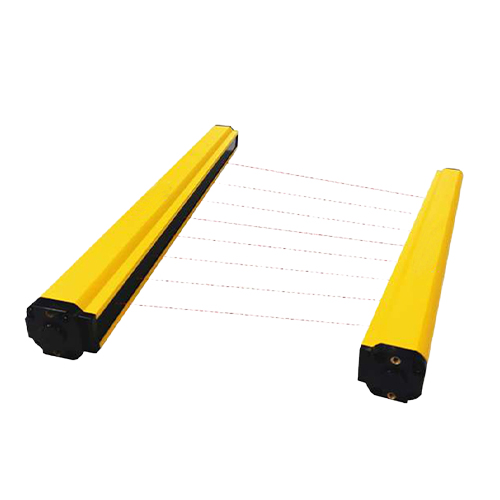
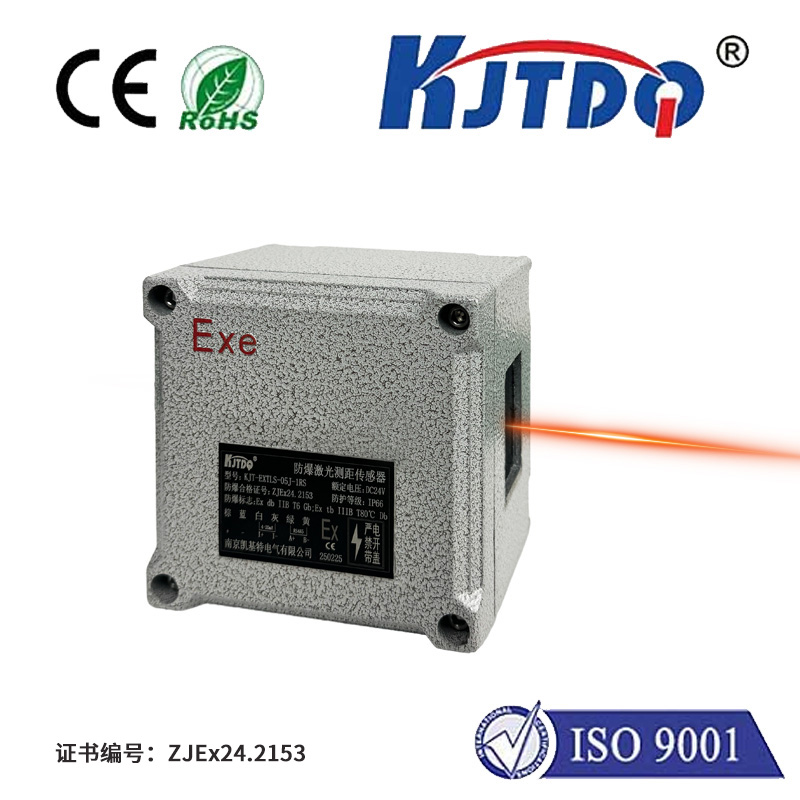
In the rapidly evolving landscape of industrial automation, precision and reliability are non-negotiable. The integration of advanced sensing technology forms the backbone of efficient, safe, and intelligent manufacturing processes. Among the latest innovations making significant strides are proximity sensor square laser photoelectric sensors, a category of devices that combine robust design with cutting-edge optical technology to deliver unparalleled performance in diverse and demanding environments.
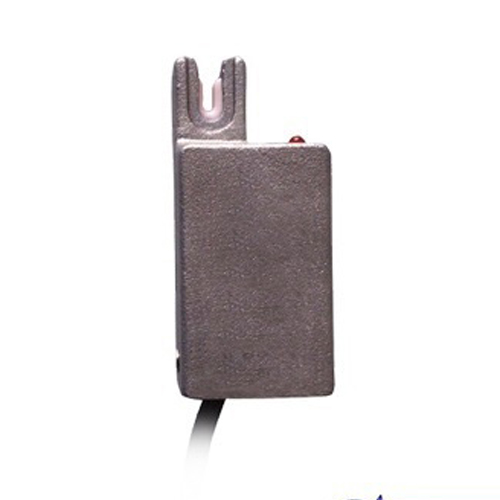
Traditional photoelectric sensors have long been used for detection, positioning, and counting tasks. However, the advent of the square laser variant, particularly within the proximity sensor family, marks a substantial leap forward. These sensors utilize a highly focused, visible laser beam emitted from a compact, square-shaped housing. This design is not merely aesthetic; the square form factor often allows for easier integration into machinery with limited space and provides a more stable mounting platform. The laser light source itself is the key differentiator. Compared to standard LED-based photoelectric sensors, laser models offer a significantly smaller, more precise spot size. This enables the detection of extremely small objects or precise edges with sub-millimeter accuracy, a critical requirement in electronics assembly, precision machining, and pharmaceutical packaging.
The term "proximity sensor" in this context typically refers to a diffuse or reflective mode of operation. The sensor emits its laser beam, and the receiver detects the light reflected directly from the target object itself. There is no need for a separate reflector, simplifying installation. The square laser photoelectric sensor excels in this mode due to the coherence and intensity of its laser beam. It can reliably detect objects with low reflectivity, such as dark or matte surfaces, which often pose challenges for standard sensors. Furthermore, the focused beam minimizes the impact of background interference, ensuring stable operation even in environments with highly reflective surrounding surfaces.
The applications for these sophisticated devices are vast and growing. In logistics and material handling, they provide precise parcel dimensioning and accurate positioning on high-speed conveyor belts. Within automotive manufacturing, they ensure components like tiny screws or O-rings are present and correctly seated. The electronics industry relies on them for verifying the placement of microchips on circuit boards. Their ability to function consistently despite dust, slight misalignments, or varying ambient light conditions—thanks to advanced background suppression technology and robust housing—makes them indispensable in harsh industrial settings.
When selecting a proximity sensor square laser photoelectric sensor, several technical parameters demand attention. The sensing range, while often shorter than larger, long-range sensors, is optimized for close-up, high-precision tasks. Response time is exceptionally fast, allowing them to keep pace with modern high-cycle machinery. Many models feature programmable functions, such as adjustable sensitivity, time delays, and output logic, which can be configured via teach-in buttons or integrated IO-Link communication for seamless integration into Industry 4.0 networks. This connectivity allows for remote configuration, continuous condition monitoring, and predictive maintenance data, transforming the sensor from a simple switch into a smart data point.
The durability of these units is a cornerstone of their design. Housings are typically constructed from high-grade stainless steel or ruggedized plastics, rated for IP67 or higher, protecting against water, oil, and dust ingress. This ensures long-term reliability and reduces downtime, a crucial factor for maintaining continuous production flow. The visible red laser beam also aids immensely in setup and troubleshooting, allowing technicians to visually confirm the beam's alignment on the target without additional tools.
In conclusion, the integration of laser technology into the compact, square form factor of a proximity-mode photoelectric sensor represents a targeted solution for modern industry's demand for micron-level accuracy, operational resilience, and smart functionality. As production lines become more complex and quality tolerances tighten, these sensors are proving to be vital components. They bridge the gap between mechanical processes and digital control systems, enabling higher levels of automation, reducing waste from errors, and ultimately driving productivity and quality to new heights. For engineers and system integrators looking to enhance precision and reliability in detection applications, the square laser photoelectric sensor stands as a powerful and versatile tool in the automation arsenal.