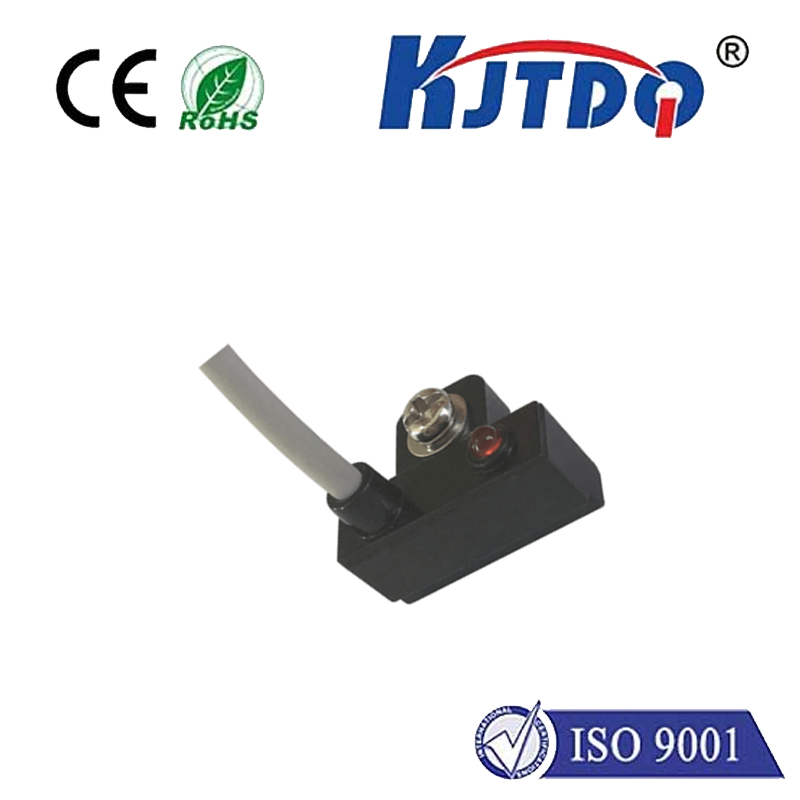
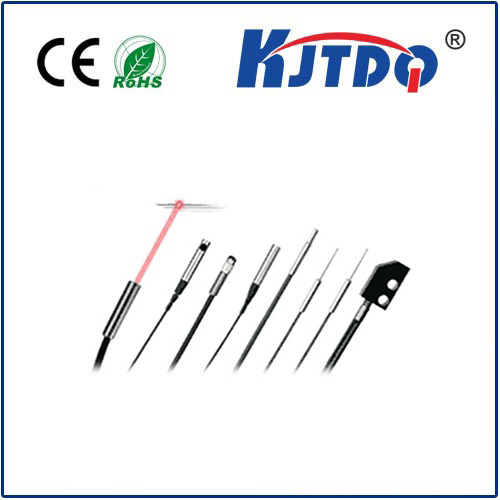
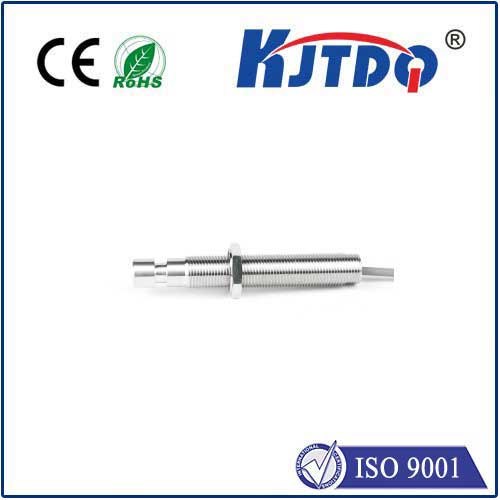
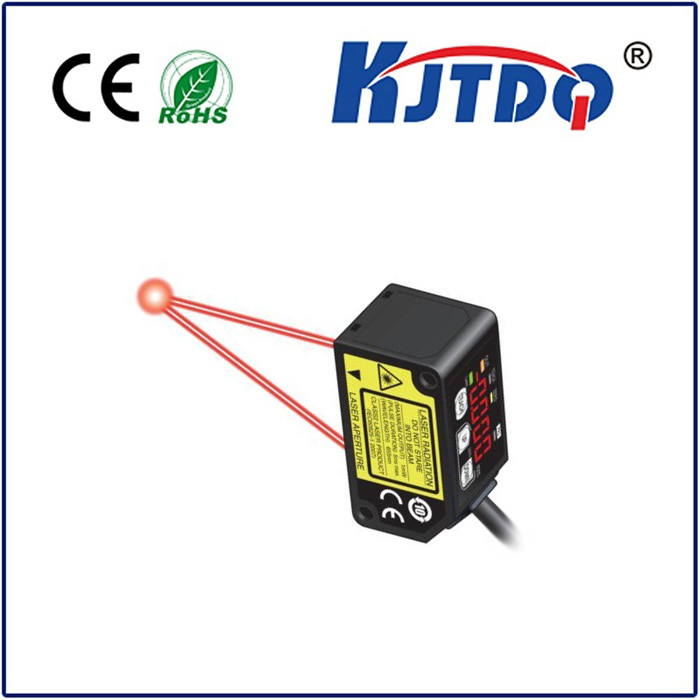
In the rapidly evolving landscape of industrial automation, precision, reliability, and efficiency are non-negotiable. Among the myriad of components that drive modern manufacturing and processing lines, the proximity photoelectric sensor stands out as a critical workhorse. This technology, often simply called a photoelectric sensor, is fundamental for non-contact detection, object counting, positioning, and quality control. Unlike inductive or capacitive proximity sensors that detect metallic or material presence based on electromagnetic fields, photoelectric sensors use light beams, making them incredibly versatile for a wide range of target materials, including glass, plastic, wood, and liquids.
The core principle of a proximity photoelectric sensor is elegantly simple: it emits a beam of light (visible red, infrared, or laser) from its transmitter. When this light beam strikes an object, it is reflected, refracted, or absorbed. A receiver within the sensor then detects the change in the light pattern. This detection triggers an electrical signal switch in the sensor's output circuit, signaling the presence or absence of the target. This entire process happens in milliseconds, enabling high-speed operations crucial for conveyor systems, packaging machinery, and robotic assembly arms.
There are three primary operating modes, each suited for specific environmental and application challenges. The through-beam mode, also known as the opposed mode, uses separate units for the transmitter and receiver. The beam travels from one to the other, and an object is detected when it breaks this beam. This mode offers the longest sensing range and highest reliability in dirty environments, as it is less affected by the object's color or surface finish. It is ideal for detecting opaque objects on high-speed conveyors.
The retro-reflective mode employs a single housing containing both the emitter and receiver. It uses a specialized reflector to bounce the light beam back to the receiver. Detection occurs when an object interrupts this reflected beam. This mode provides a good balance of range and ease of installation, as only one sensor unit and a reflector need to be wired and aligned. However, shiny objects can sometimes cause false triggers by reflecting light themselves, a challenge addressed by sensors with polarization filters.
The most common and versatile mode is diffuse reflection, or proximity mode. Here, the sensor's own housing contains the light source and receiver. It detects an object when the emitted light diffusely reflects off the object's surface and returns to the receiver. The sensing distance is dependent on the object's size, color, and surface texture—lighter colors and matte finishes reflect better than dark, shiny ones. This self-contained design makes diffuse sensors compact and easy to install for tasks like detecting bottles on a line or monitoring bin levels.
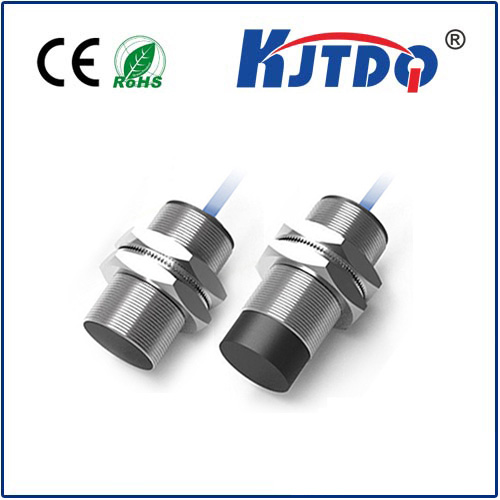
Modern proximity photoelectric sensors are engineered to withstand the harsh realities of industrial floors. They feature robust housings made of metal or high-grade plastics with ingress protection ratings like IP67 and IP69K, making them resistant to dust, water jets, and even temporary immersion. Many models incorporate advanced functionalities such as background suppression, which allows them to ignore objects beyond a set distance, and precise background evaluation for detecting objects against complex backgrounds. The integration of IO-Link communication provides digital parameter setting, real-time diagnostics, and condition monitoring data, paving the way for predictive maintenance and Industry 4.0 connectivity.
Selecting the right sensor requires careful consideration of several factors. The application's environment—presence of dust, steam, vibration, or ambient light—dictates the required housing material, protection rating, and light source type. Infrared light, for instance, is less affected by ambient light interference. The nature of the target object, including its material, color, size, and required detection distance, determines the optimal operating mode and sensor model. For example, detecting a clear glass bottle requires a through-beam or specialized polarized diffuse sensor, while counting cardboard boxes is easily handled by a standard diffuse sensor.
Ultimately, the strategic deployment of high-quality proximity photoelectric sensors directly translates to enhanced system uptime, reduced waste from misreads, and improved overall equipment effectiveness. They are the silent, vigilant eyes on the factory floor, enabling seamless automation, ensuring product quality, and safeguarding both machinery and personnel. From food and beverage to automotive and pharmaceuticals, their role is indispensable in building smarter, more responsive, and more efficient production ecosystems.