In the intricate world of automation and electronic control, the ability to detect objects with unwavering accuracy is paramount. Among the myriad of sensing solutions available, the photoelectric 5mm sensor stands out as a remarkably versatile and reliable component. This compact device, often no larger than a fingertip, operates on a simple yet profound principle: it uses light to detect the presence, absence, or distance of an object. The "5mm" designation typically refers to the sensing distance or the size of the beam spot, making it ideal for applications requiring detection in tight spaces or of small objects. Unlike mechanical switches that require physical contact, this sensor offers non-contact detection, leading to significantly less wear and tear and a vastly extended operational lifespan.
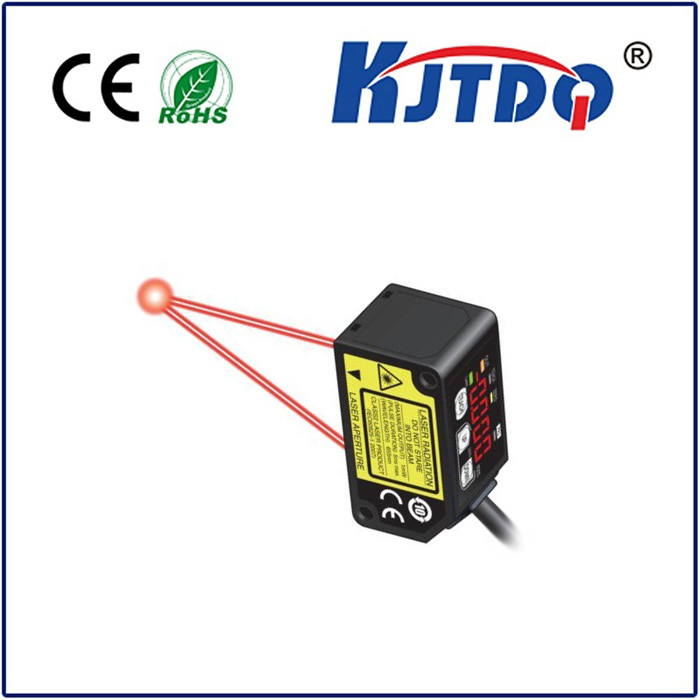
The core technology behind a standard 5mm photoelectric sensor involves three key elements: an emitter, a receiver, and a signal processor. The emitter, usually a light-emitting diode (LED), projects a focused beam of light—commonly infrared, red, or laser. The receiver, positioned to catch this light, is a phototransistor or photodiode. When an object interrupts or reflects this light beam (depending on the sensor type), the change in light intensity at the receiver is converted into an electrical signal. This signal is then processed and translated into a clear digital output, signaling the object's detection. This process happens in milliseconds, enabling real-time response in fast-paced industrial environments.
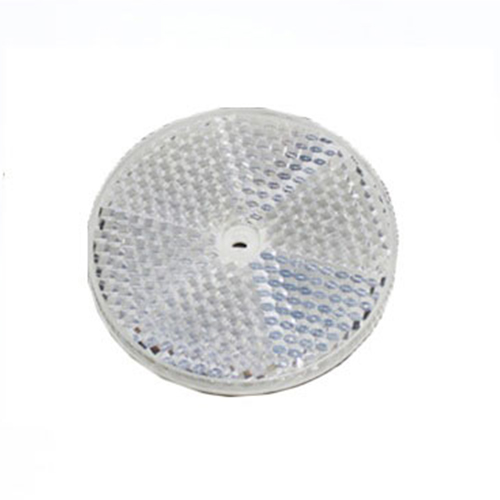
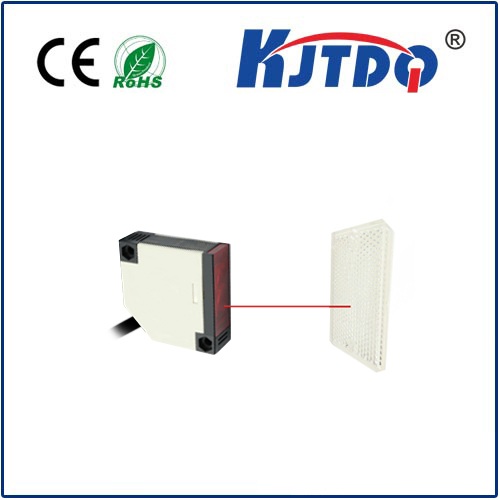
There are several primary operating modes for these sensors, each suited to specific scenarios. The through-beam type, consisting of separate emitter and receiver units, offers the longest detection range and highest reliability, as it directly measures the interruption of a beam. The retro-reflective type uses a single unit and a reflector, bouncing the beam back to the receiver; it's efficient but can be fooled by shiny objects. Finally, the diffuse-reflective type is the most common for 5mm sensors. It houses both emitter and receiver in one compact housing and detects objects by the light they reflect back. This mode is perfect for detecting objects at a defined short range, such as 5mm, and is widely used in counting, positioning, and edge detection tasks.
The applications for a photoelectric 5mm sensor are extensive and cross multiple industries. In automated assembly lines, they are the silent sentinels ensuring components are present and correctly positioned before a robotic arm performs its task. Within consumer electronics manufacturing, they verify the placement of tiny screws or the alignment of miniature components on circuit boards. Packaging machinery relies on them to detect labels, count products, and confirm fill levels. Beyond heavy industry, these sensors find roles in vending machines, printer paper detection, and even in some security systems for tamper detection. Their small size, low power consumption, and high precision make them an indispensable tool for engineers designing compact and intelligent systems.
Selecting the right 5mm photoelectric sensor requires careful consideration of several factors. The sensing mode must match the application's physical constraints and target object properties. The light source is another critical choice; infrared sensors are immune to ambient light interference, red LED sensors provide a visible beam for easier alignment, and laser models offer exceptional precision for detecting extremely small objects. Environmental conditions cannot be overlooked. Sensors rated with high Ingress Protection (IP) codes are necessary for dusty, humid, or washdown environments common in food and beverage processing. Additionally, output type (NPN/PNP) must be compatible with the existing control system, be it a programmable logic controller (PLC) or a microcontroller.
For optimal performance and longevity, proper installation and maintenance are crucial. Ensuring stable mounting to prevent vibration-induced errors is the first step. Alignment, especially for through-beam and retro-reflective types, must be precise. For diffuse-reflective sensors, understanding the background and the reflectivity of the target object is essential to avoid false triggers. Regular cleaning of the lens is a simple but vital maintenance task, as dust, oil, or condensation can scatter or block the light beam, degrading performance. Most modern sensors include built-in indicators for power and output status, providing immediate visual feedback for troubleshooting.
The evolution of photoelectric sensor technology continues. Today's 5mm sensors often incorporate advanced features like background suppression, which allows them to ignore objects beyond a set distance, and teach-in functionality for easy configuration. As the demand for miniaturization and Industry 4.0 connectivity grows, we can expect these sensors to become even smarter, smaller, and more integrated with IoT platforms, providing not just detection data but also diagnostic information about their own health and the process they monitor. The humble photoelectric 5mm sensor, a masterpiece of optoelectronics, remains a foundational pillar in building a more automated and efficient world.