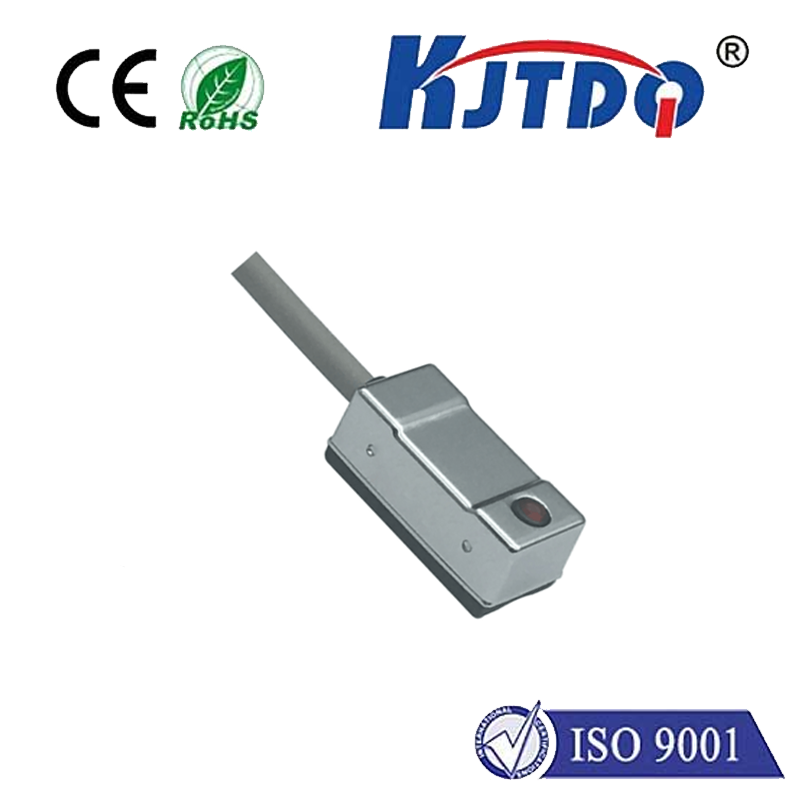
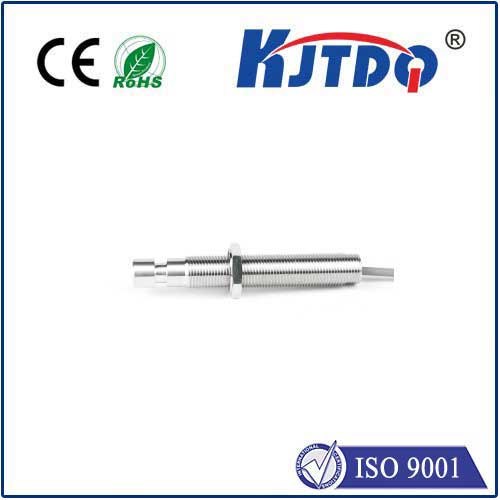
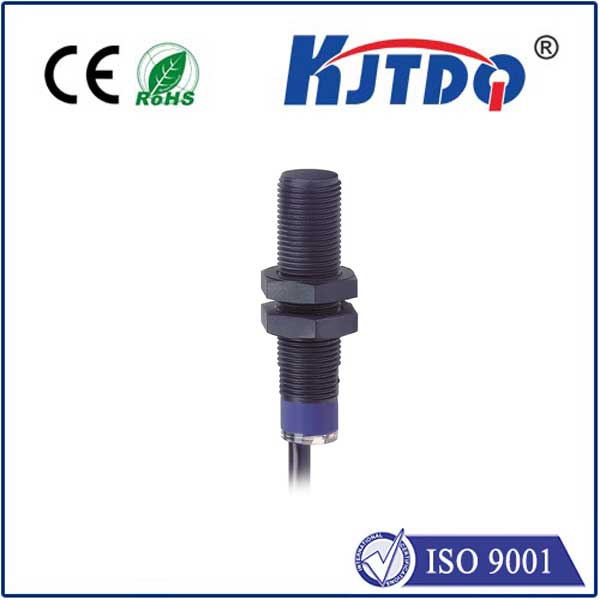
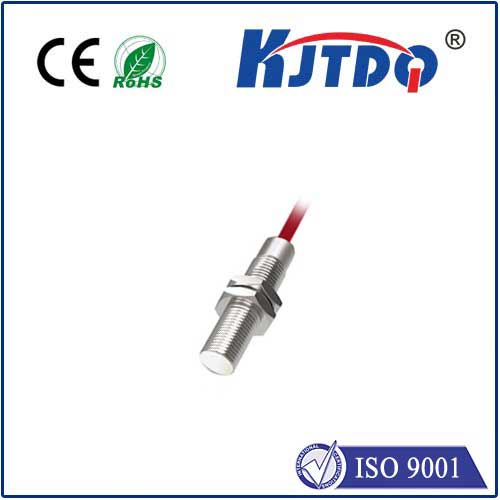
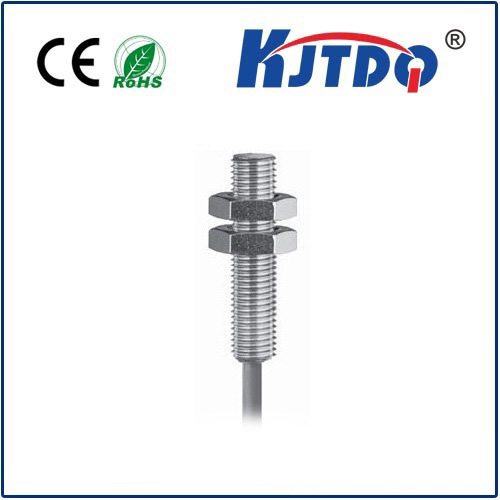
In today's rapidly evolving industrial landscape, the demand for robust and reliable sensing technology is paramount. Among the various solutions available, waterproof photoelectric sensors have emerged as a critical component, especially in challenging environments where moisture, dust, and temperature fluctuations are constant concerns. These sensors utilize light beams to detect the presence, absence, or distance of objects, offering non-contact operation that minimizes wear and tear. The integration of waterproofing technology elevates their functionality, allowing them to perform consistently in washdown areas, outdoor applications, food and beverage processing, and pharmaceutical manufacturing where hygiene and durability are non-negotiable.
The core principle behind a photoelectric sensor involves an emitter that projects a light beam—often infrared, visible red, or laser—and a receiver that detects changes in this beam. When an object interrupts or reflects the beam, the sensor triggers an output signal. Waterproof variants are meticulously sealed, typically meeting international protection standards such as IP67, IP68, or IP69K. An IP67 rating, for instance, guarantees protection against temporary immersion in water, while IP68 and IP69K defend against prolonged submersion and high-pressure, high-temperature jet sprays, respectively. This sealing prevents internal corrosion and electrical failure, ensuring long-term operational integrity.
The advantages of deploying waterproof photoelectric sensors are substantial. Firstly, they significantly reduce maintenance downtime. In a standard packaging line exposed to frequent cleaning, a non-protected sensor might fail due to water ingress, halting production. A waterproof sensor withstands these conditions, maintaining continuous operation. Secondly, they enhance safety and precision. In automated guided vehicle (AGV) systems operating in warehouses with occasional moisture, these sensors provide accurate object detection for navigation and load handling without malfunction. Thirdly, they support stringent hygiene protocols. In dairy plants, sensors must endure caustic cleaning agents; waterproof seals prevent contamination and sensor damage, complying with health regulations.
Several key industries benefit immensely from this technology. In automotive manufacturing, robots equipped with these sensors perform welding and assembly tasks in areas with coolant mist, where reliable detection is crucial for precision. Agriculture and irrigation systems use them to monitor water levels or detect equipment positions outdoors, resisting rain and humidity. Maritime and offshore applications rely on them for equipment positioning and safety interlocks, facing saltwater exposure. Even in consumer electronics assembly, where controlled environments may still have condensation risks, waterproof sensors ensure delicate components are handled correctly.
Selecting the appropriate waterproof photoelectric sensor requires careful consideration. Factors include sensing range, response time, light source type, and the specific IP rating needed for the environment. For example, a diffuse reflection sensor might be ideal for detecting transparent bottles on a conveyor in a bottling plant, but it must have an IP69K rating to survive daily high-pressure washdowns. Additionally, material compatibility is vital; sensors with stainless steel housings or FDA-approved plastics are preferred in food processing to prevent corrosion and meet sanitary standards.
Installation and maintenance, while minimal, are important for optimal performance. Proper alignment of the emitter and receiver is essential, especially in through-beam sensors where misalignment can cause false readings. Regular checks for lens cleanliness—ensuring no buildup of grime or water droplets—maintain sensitivity. Most modern sensors feature LED indicators for diagnostics, simplifying troubleshooting. Despite their ruggedness, it is advisable to follow manufacturer guidelines for temperature ranges and chemical exposure to prolong lifespan.
Looking ahead, advancements in waterproof photoelectric sensor technology continue to drive innovation. The integration of IO-Link communication allows for real-time data monitoring and predictive maintenance, alerting operators to potential issues before failure. Miniaturization enables their use in compact machinery without sacrificing durability. Furthermore, enhanced energy efficiency supports sustainable operations, reducing overall power consumption in large-scale automated systems.
In conclusion, waterproof photoelectric sensors represent a vital fusion of precision sensing and environmental resilience. They empower industries to automate processes with confidence, even in the most demanding conditions, leading to increased productivity, reduced costs, and improved safety. As automation expands into new sectors, the role of these dependable sensors will only grow, solidifying their status as an indispensable tool in modern industrial automation.