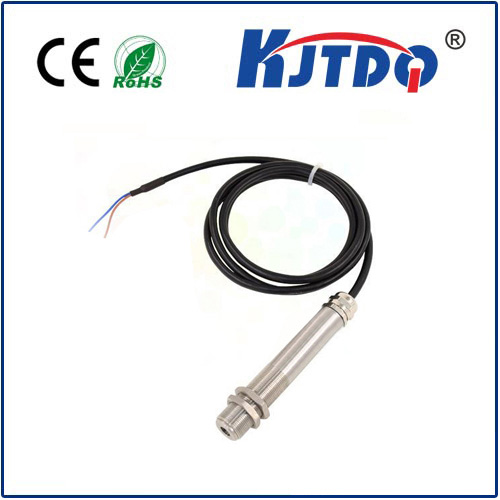
In industrial automation and process control, achieving reliable and precise object detection is paramount. Among the various sensing technologies available, the switch beam photoelectric switch sensor stands out for its robustness, long-range capability, and versatility. This comprehensive guide delves into the working principles, key features, applications, and selection criteria for these indispensable sensors, explaining why they are a cornerstone of modern industrial systems.
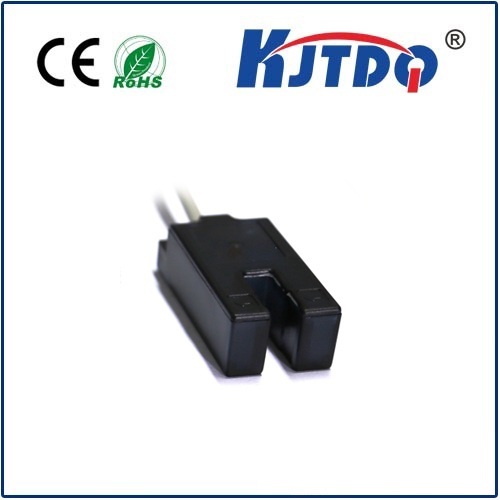
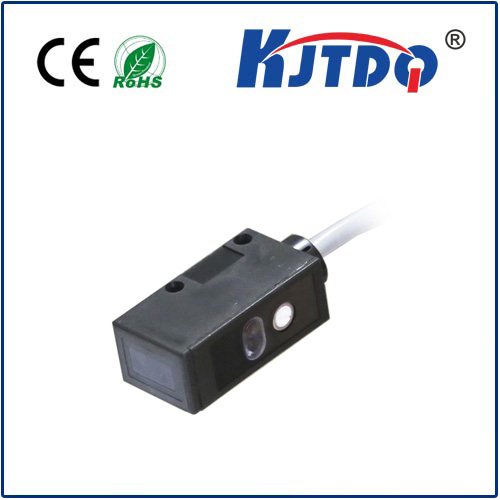
At its core, a switch beam photoelectric sensor operates on a through-beam principle. It consists of two separate units: a transmitter and a receiver. The transmitter emits a constant beam of light, typically infrared or laser, which is directed towards the receiver unit. When an object passes between these two units, it interrupts the light beam. The receiver detects this interruption and triggers a switching signal. This simple yet effective mechanism is the foundation of its operation. Unlike diffuse or retro-reflective sensors, the through-beam setup provides the longest possible sensing range and is highly immune to environmental factors like color, reflectivity, or surface texture of the target object. This makes it exceptionally reliable for detecting even transparent or shiny materials that might confuse other sensor types.
The advantages of using a switch beam photoelectric switch are numerous. First and foremost is their exceptional sensing distance. Depending on the model and light source, these sensors can reliably detect objects over distances ranging from a few meters to several hundred meters. This makes them ideal for large-scale applications like warehouse door monitoring, conveyor belt systems spanning long halls, or vehicle detection in parking facilities. Secondly, they offer high precision and stability. Since the receiver is only looking for the presence or absence of the specific beam, it is less susceptible to false triggers from ambient light or background objects. The signal is either fully present or fully absent, leading to a very clear and definitive switching action.
Durability is another key strength. High-quality switch beam sensors are housed in rugged enclosures rated for IP67 or higher, protecting them from dust, water jets, and mechanical impacts commonly found in industrial environments. Many models also feature advanced diagnostics, such as alignment indicators or signal strength LEDs, which simplify installation and maintenance, reducing downtime.
The applications for switch beam photoelectric sensors are vast and varied. In manufacturing, they are used for counting products on high-speed lines, detecting the presence of components for robotic assembly, and ensuring proper positioning on palletizers. In packaging, they control fill levels, detect missing labels or caps, and monitor film breaks in wrapping machines. In material handling, they safeguard automated guided vehicles (AGVs) by detecting obstacles and are used for height detection on forklifts. They also play a critical role in security systems for perimeter protection and door/gate control.
When selecting a switch beam photoelectric switch sensor for your application, several factors must be considered. The required sensing distance is primary; always choose a sensor with a rated distance greater than your actual need to account for alignment tolerances and potential lens contamination. The environmental conditions are crucial—consider temperature ranges, potential exposure to chemicals, and the need for washdown capabilities in food and beverage plants. The output type (e.g., NPN, PNP, relay) must be compatible with your controller (PLC). Finally, consider special features like built-in timers, logic functions, or synchronization capabilities for multiple sensors operating in close proximity to prevent crosstalk.
Installation and alignment, while straightforward, require attention. Ensure the transmitter and receiver are securely mounted on stable surfaces to prevent vibration from misaligning the beam. Use the built-in alignment aids during setup. For long-range applications, a laser beam model can significantly simplify this process. Regular maintenance involves keeping the lenses clean and checking for physical damage to cables or housings.
In conclusion, the switch beam photoelectric switch sensor is a fundamental and powerful tool in automation. Its principle of operation guarantees high reliability and long-range detection unmatched by other photoelectric modes. By understanding its capabilities and carefully matching it to the application's requirements—be it in harsh factory conditions, precise assembly tasks, or large-scale logistics—engineers and technicians can build systems that are both efficient and dependable. As industries continue to evolve towards greater automation and connectivity, the role of these precise and robust sensors will only become more central to operational success.