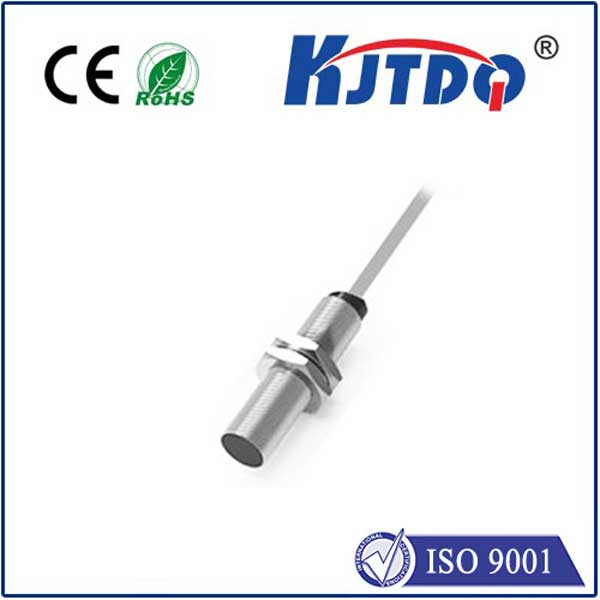
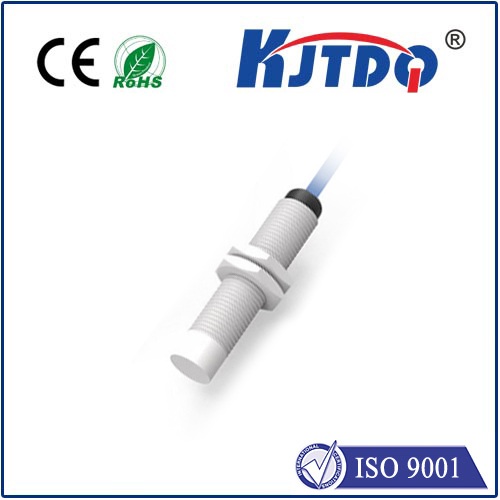
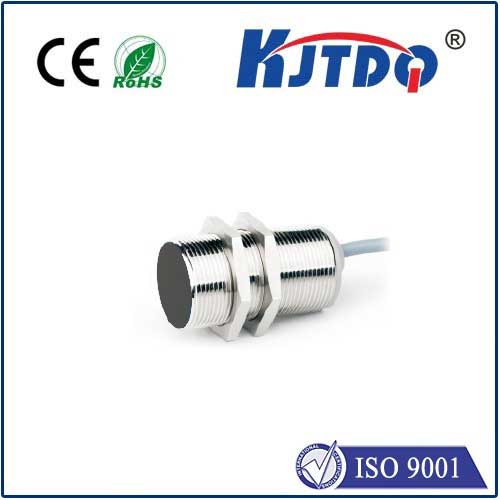
In the realm of industrial automation, precision, reliability, and efficiency are paramount. Among the myriad of components that make modern automated systems possible, the photoelectric switch sensor stands out for its versatility and critical role in object detection, counting, and positioning. Specifically, sensors with an NPN output configuration form a fundamental building block in countless control circuits. Understanding their operation, advantages, and typical applications is essential for engineers, technicians, and procurement specialists.
A photoelectric switch sensor operates on a simple yet powerful principle: it uses light to detect the presence, absence, or distance of an object. The core components include an emitter (light source, often an LED) and a receiver (phototransistor or photodiode). The emitter projects a beam of light—visible red, infrared, or laser—toward the receiver. When an object interrupts or reflects this beam (depending on the sensing mode), the receiver detects the change in light intensity and triggers an electrical signal change in the output circuit.
This is where the NPN designation becomes crucial. It refers to the type of transistor used in the sensor's output stage. In an NPN output sensor, the output acts as a switching device to ground (0V or negative rail). When the sensor is activated (detects an object), the NPN transistor turns on, connecting the output signal wire (usually the black wire) to the common negative (0V). This creates a current sink. In a typical wiring setup, the load (such as a PLC input, relay coil, or indicator) is connected between the positive supply voltage and the sensor's output wire. When the sensor activates, it completes the circuit to ground, allowing current to flow through the load and thus signaling detection.
Contrasting this with a PNP output sensor helps clarify its application. A PNP sensor sources current to the load, connecting the output to the positive voltage when activated. The choice between NPN and PNP often depends on the prevailing convention of the control system's logic and the type of input module on the Programmable Logic Controller (PLC). In many regions and systems, especially those following European or sink-type input conventions, NPN sensors are the standard. They are particularly suited for interfacing with PLCs that have sinking digital inputs.
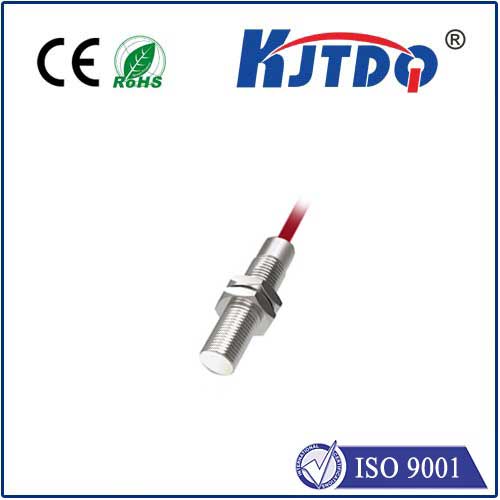
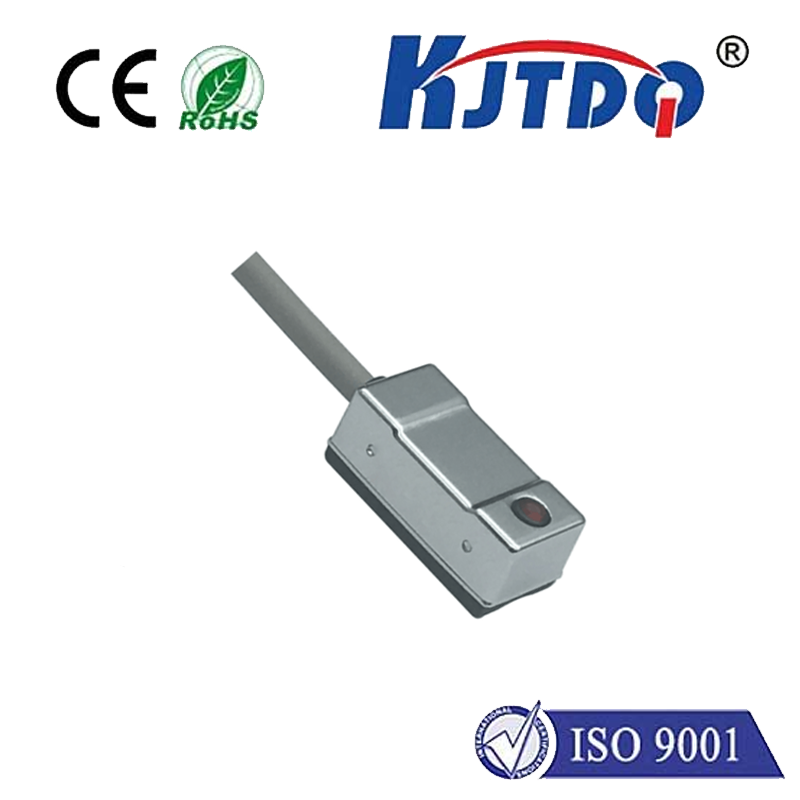
The advantages of using NPN photoelectric sensors are significant. They offer high switching speeds, capable of detecting objects at rates exceeding thousands of operations per second, which is vital for high-speed production lines. Their non-contact nature means no physical wear from touching objects, leading to exceptional longevity and reduced maintenance. Modern variants provide impressive sensing ranges, from a few millimeters to several meters, and are available in diverse housing designs—cylindrical, rectangular, slot-type—to fit challenging installations. Furthermore, they are largely immune to environmental factors like color, surface texture (to a degree), and ambient electrical noise, especially when equipped with modulated LED light sources that distinguish the sensor's signal from background light.
Typical applications for NPN photoelectric sensors are ubiquitous across industries. On packaging lines, they count bottles, detect label presence, or verify case sealing. In material handling, they position pallets on conveyors, detect stack height, or prevent jams. Automotive assembly robots rely on them for part verification and safety guarding. They are also integral in automated storage and retrieval systems for inventory management and in printing machinery for paper edge detection. The through-beam type, with separate emitter and receiver units, is used for long-range detection, while the diffuse reflective type, with a single housing, is common for shorter ranges where the object itself reflects the beam back. Retro-reflective types use a reflector for medium-range applications.
When selecting an NPN photoelectric sensor, key specifications must be considered. The operating voltage range (commonly 10-30V DC), output current capacity, response time, sensing distance, and environmental protection rating (IP67 for dust and water resistance is common for harsh environments) are critical. The light source type (red LED for general use, laser for precision, infrared for discreet operation) and output function (light-on or dark-on) are also important selection criteria. Proper installation is key: ensuring stable mounting, precise alignment for through-beam types, and considering the target object's size, color, and surface finish to avoid false triggers.
In conclusion, the NPN photoelectric switch sensor is more than just a component; it is the eyes of an automated system. Its ability to provide a reliable, fast, and non-contact switching signal makes it indispensable. By understanding its sinking output logic, engineers can seamlessly integrate these sensors into control systems to enhance productivity, ensure safety, and achieve precise automation. As technology advances, these sensors continue to evolve with features like background suppression, fiber optic capabilities, and IO-Link communication, further solidifying their role in the smart factories of today and tomorrow.